

What to Expect During Routine Septic Cleaning Services
Homeownership comes with many responsibilities requiring your attention throughout the year. Many tasks are visible, like mowing the lawn or replacing damaged roof shingles. However, some critical systems operate entirely out of sight. Your wastewater system is one of those hidden components needing consistent care to function properly. Scheduling regular maintenance protects your property from messy backups and expensive repairs. For many suburban homeowners, routine septic cleaning services are a regular part of life that can't be ignored.
If you've never dealt with a specialized wastewater system before, the maintenance process might seem mysterious. You probably know someone comes to empty the tank, but the actual steps involved are often unclear. Understanding the procedure helps alleviate anxiety you might feel about the appointment. It also allows you to prepare your property and communicate effectively with the technicians. Knowing exactly what happens ensures you get the most out of your scheduled maintenance.
Locating and Accessing the Underground Tank
The first step begins before any equipment is turned on. Technicians must locate your system and gain access to the components. If you've had recent yard work done, you probably know where the access lids are situated. New homeowners often have no idea where the system is hidden. In these situations, professionals use electronic transmitters and probes to find the location without digging up the lawn.
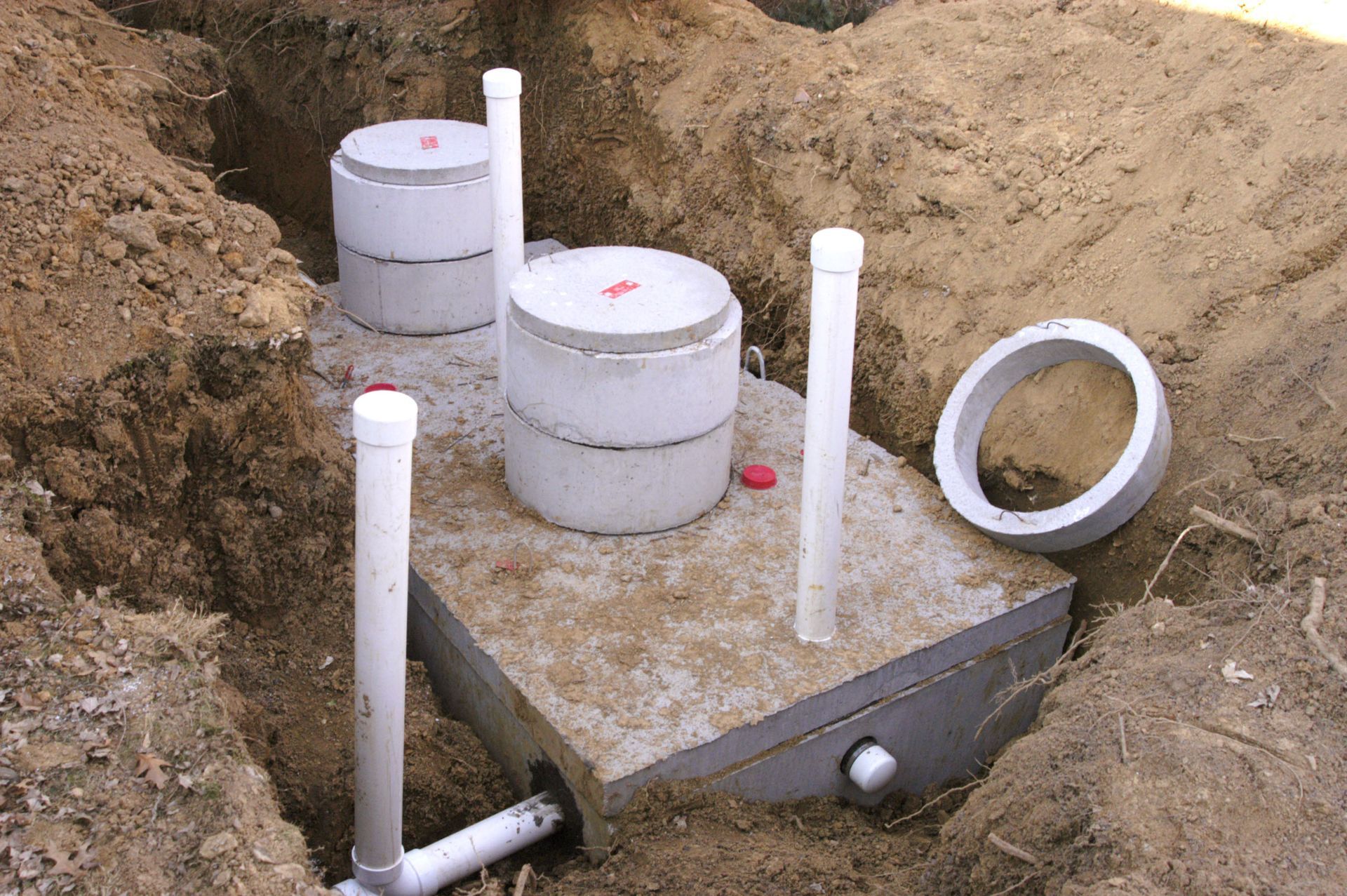
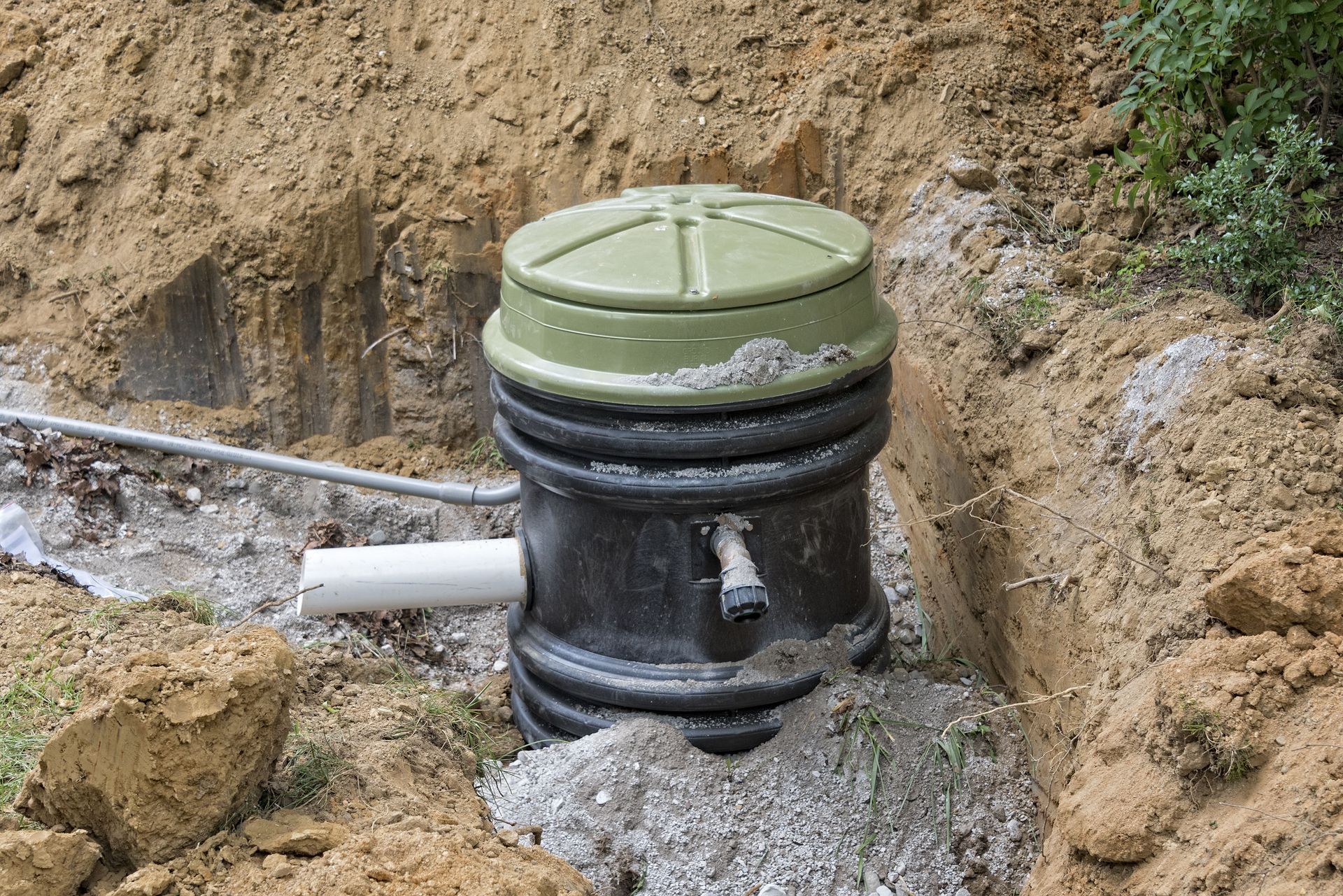
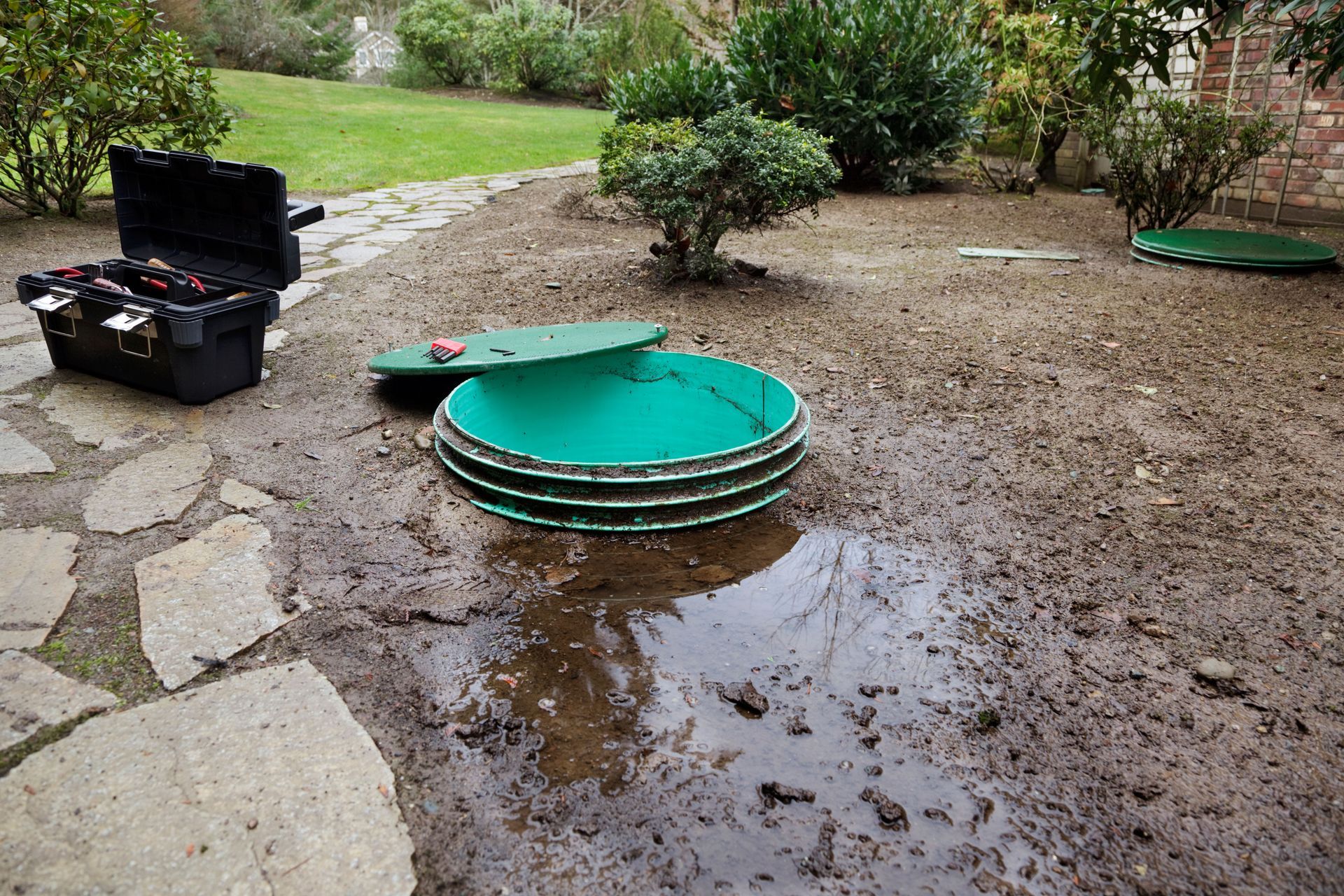
Once located, the crew must uncover the access ports. Some modern setups feature convenient risers that bring lids right to ground level. If your property lacks these extensions, the team will do manual digging. They remove the top layer of soil and grass to expose the heavy covers beneath. High-quality septic cleaning services always take care not to destroy your landscaping. The crew places the dirt on a plastic tarp to protect your grass.
After uncovering the lids, the technicians remove them to inspect the interior of the container. This moment reveals current liquid levels and overall condition. An abnormally high water level usually indicates a problem with the drain field. If the liquid is too low, the tank might have a crack, causing a slow leak. The professionals will note these initial observations before proceeding to the pumping phase.
Pumping and Removing the Accumulated Waste
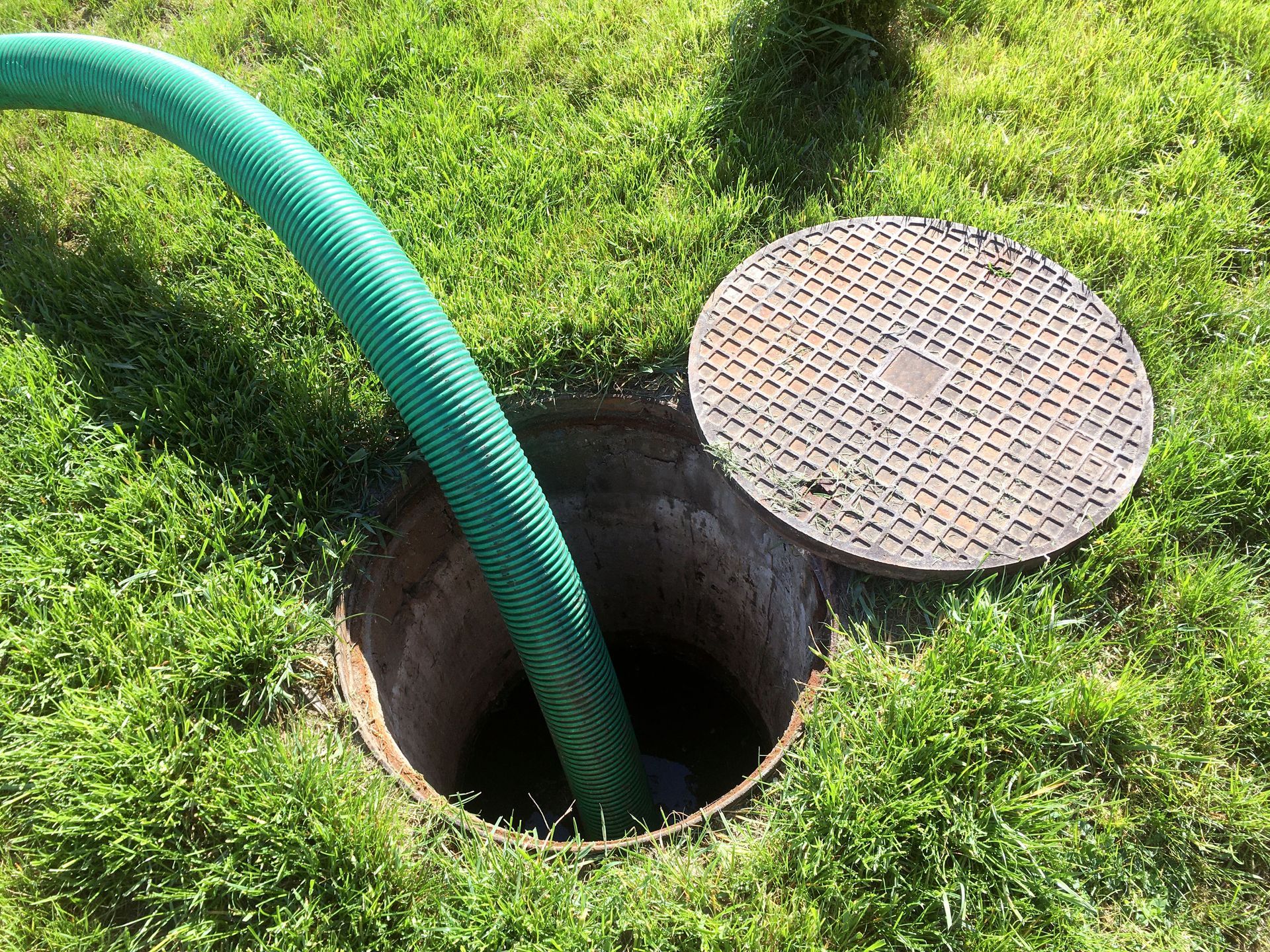
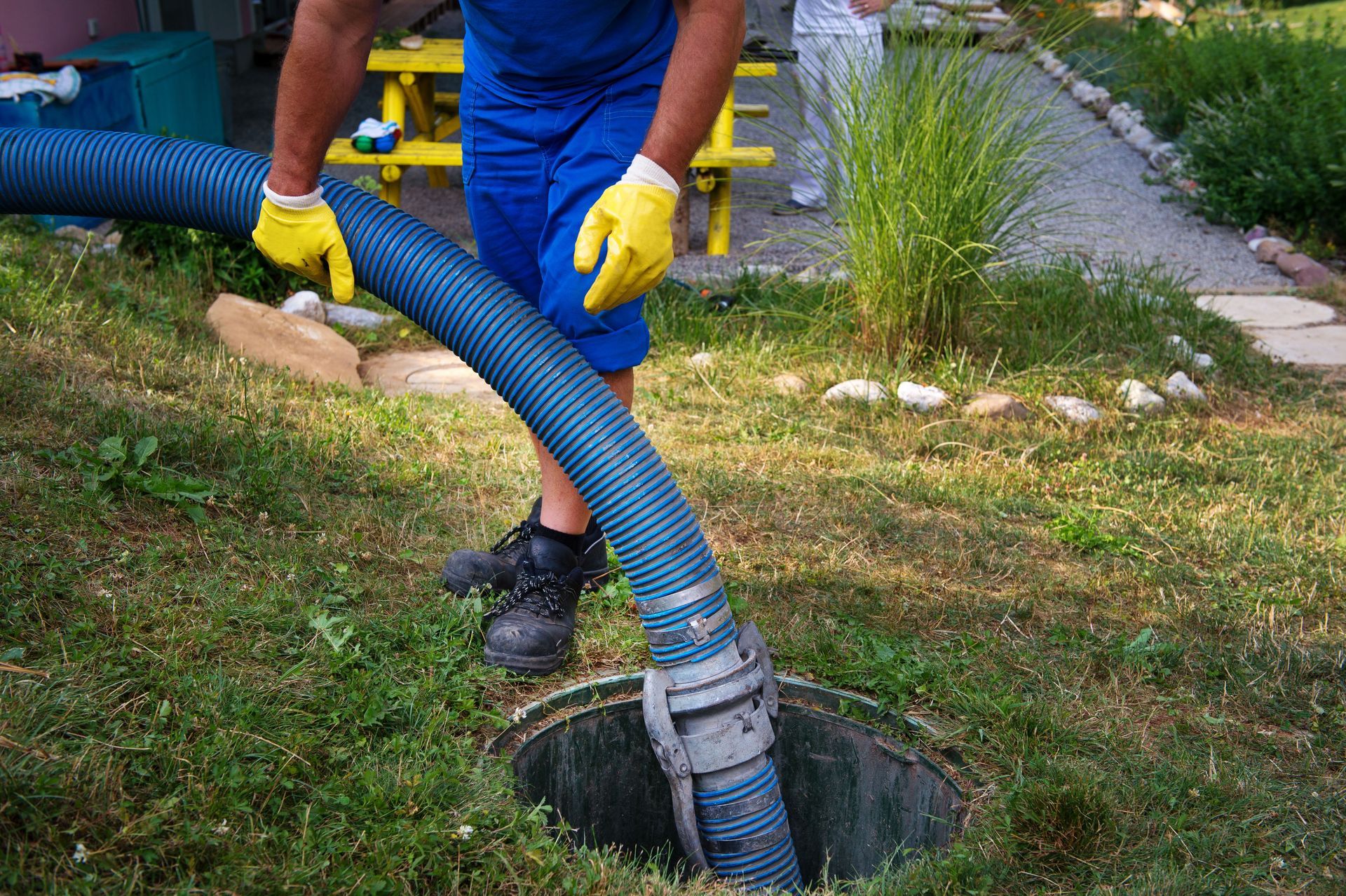
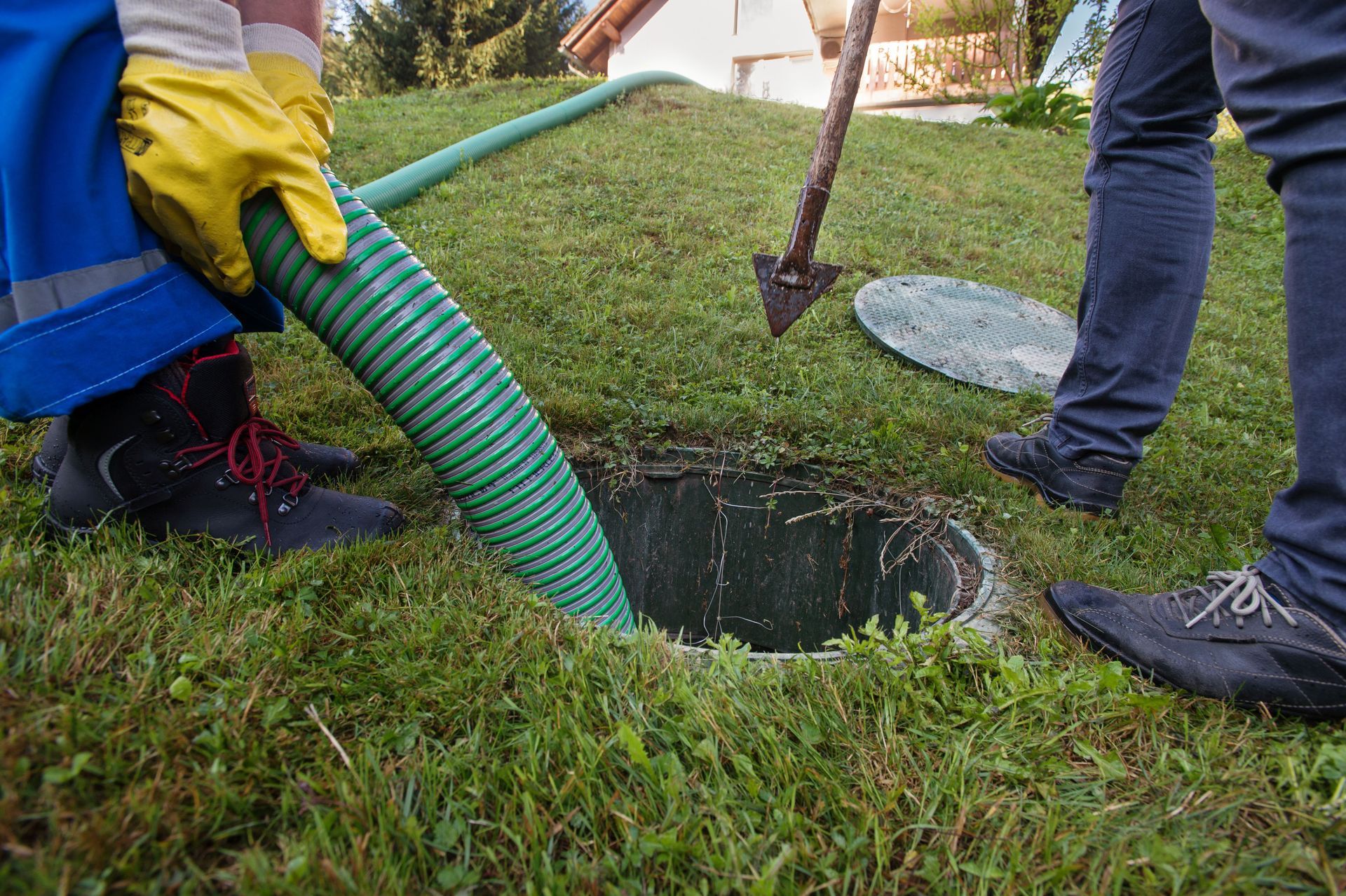
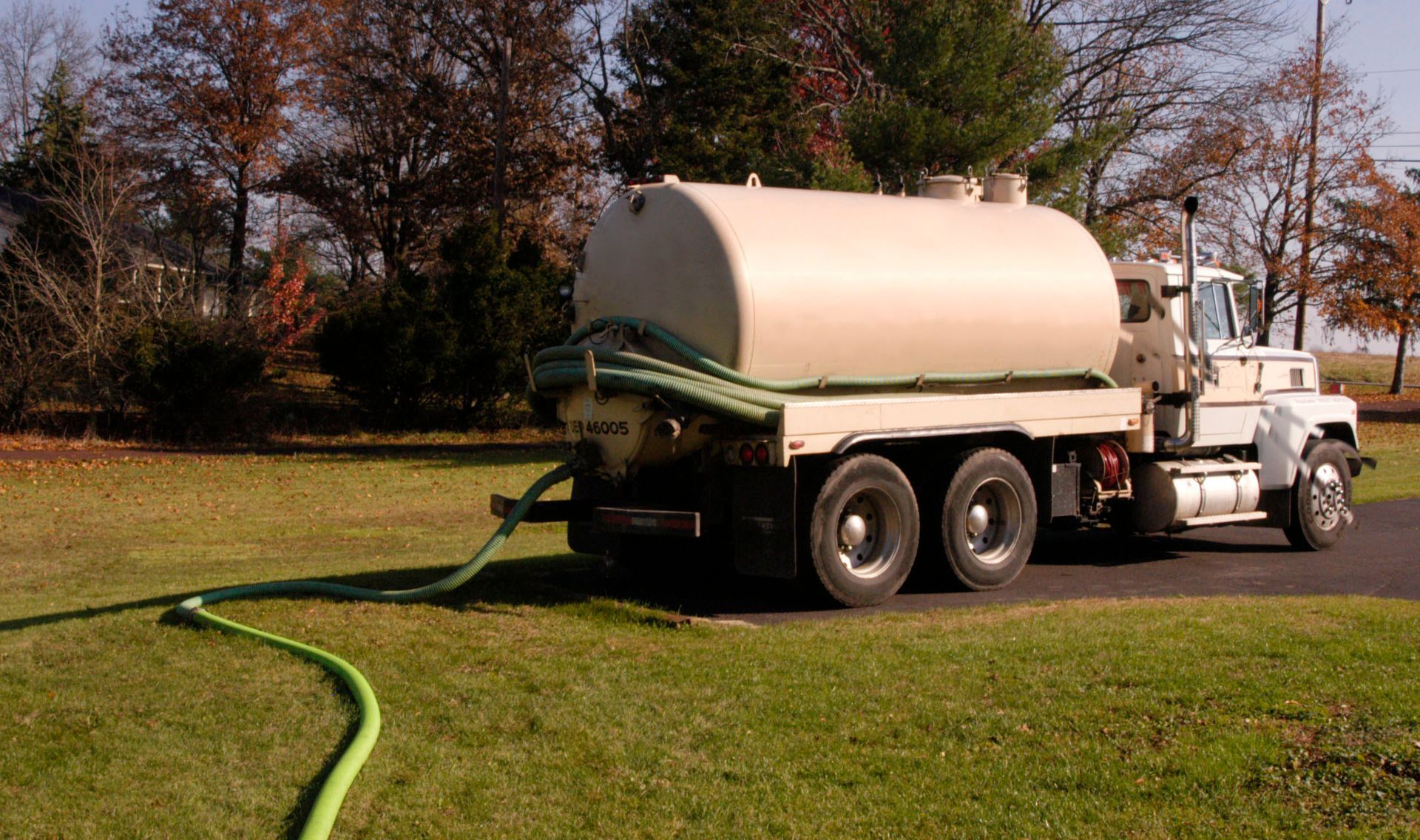
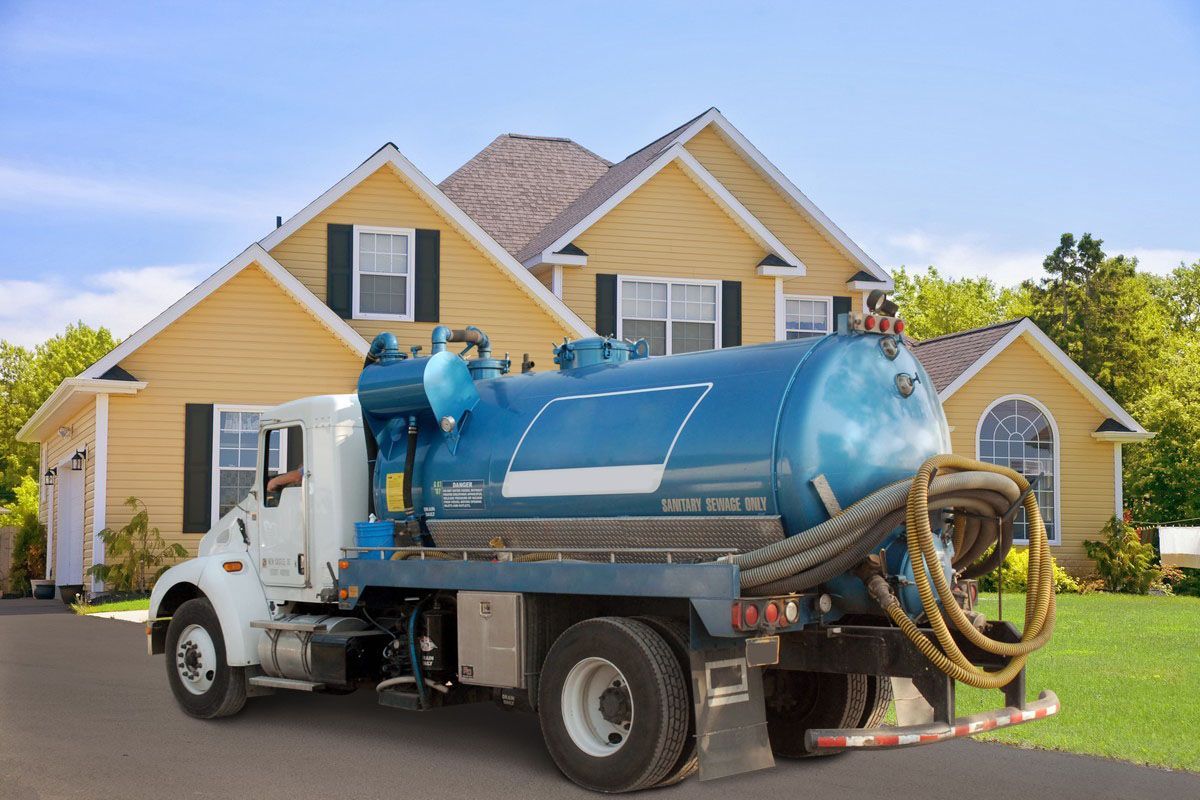
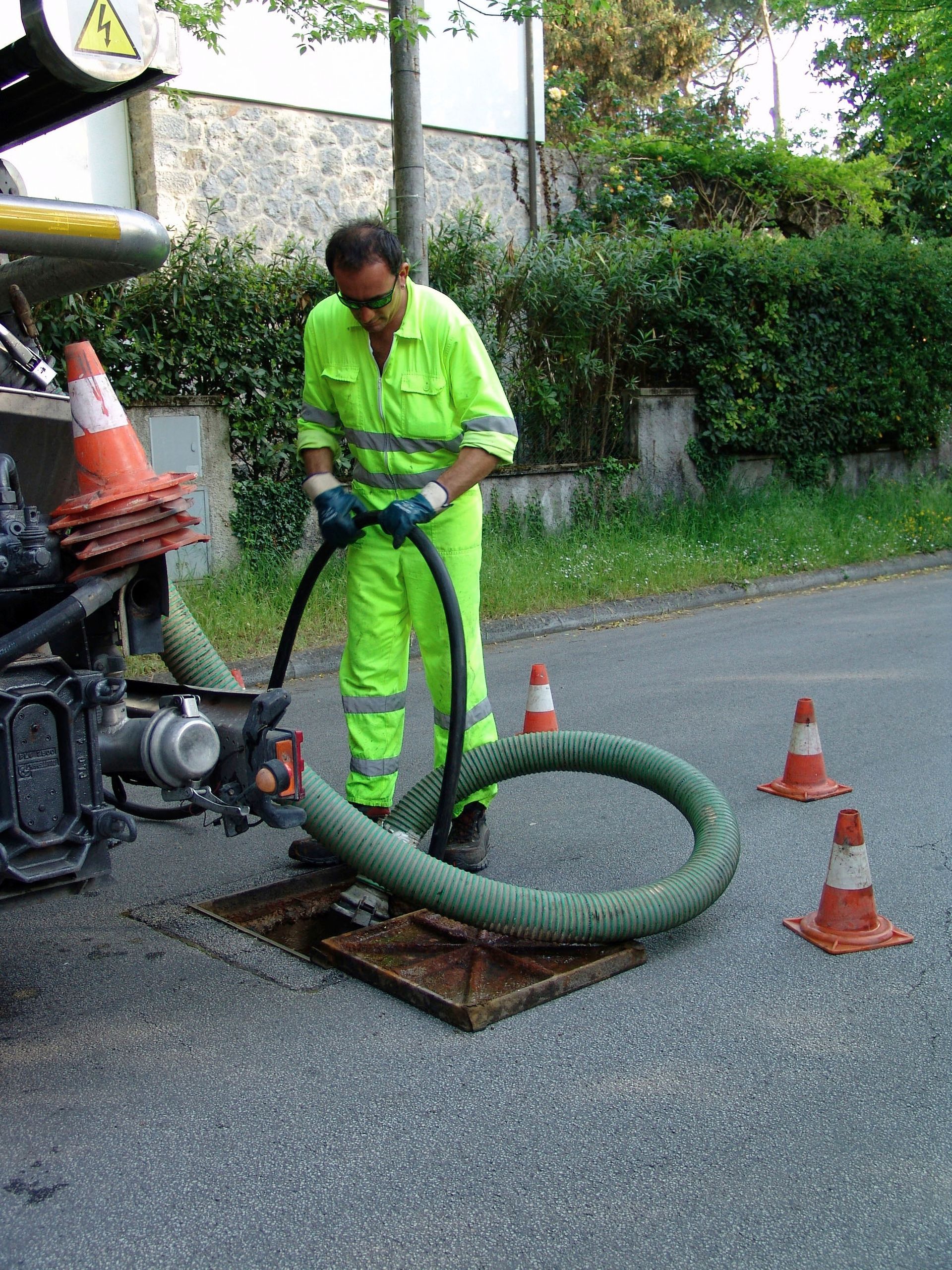
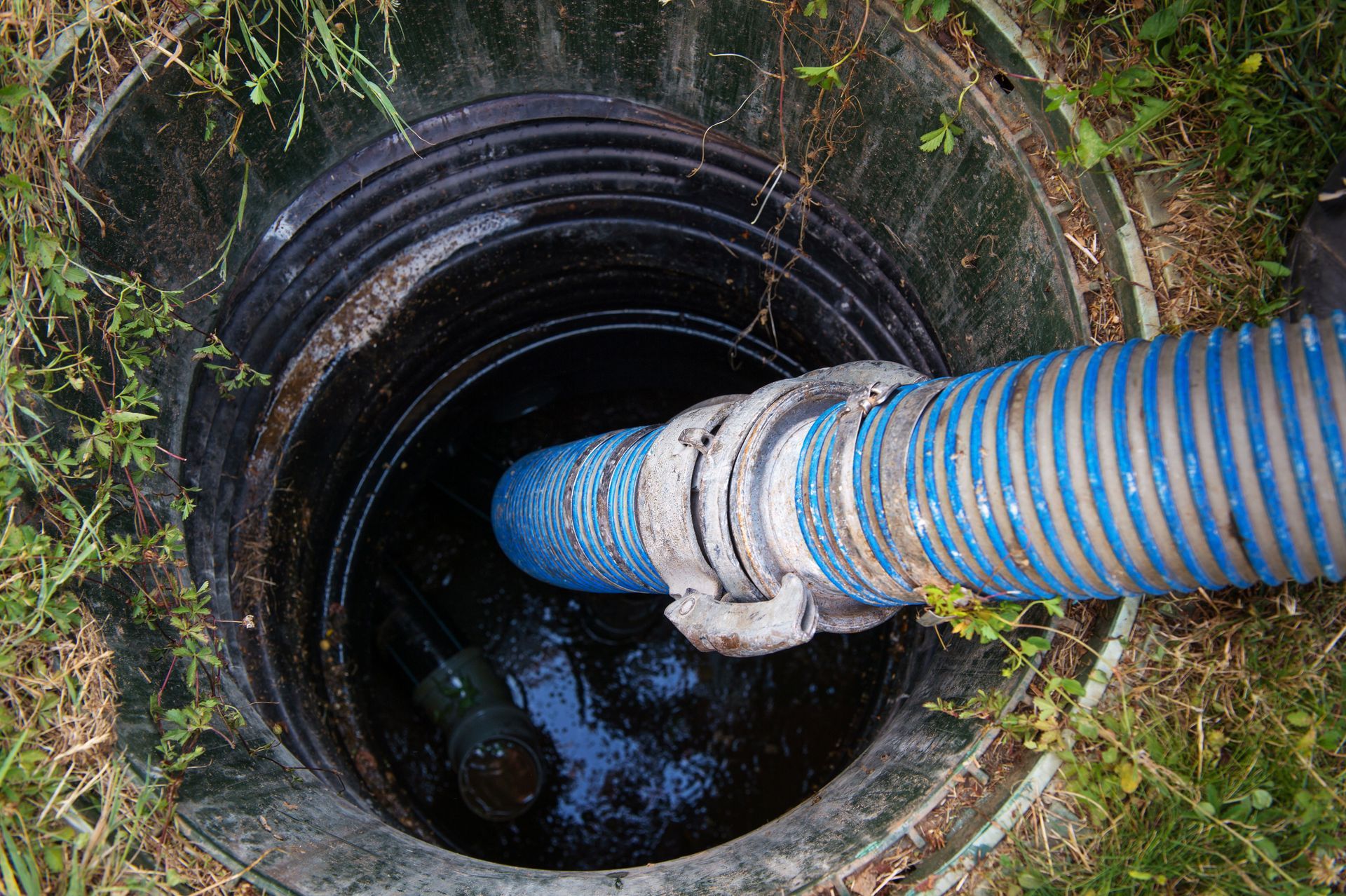
With the lids safely removed, the core job begins. The crew connects a vacuum hose from their truck directly into the open access port. These vehicles are capable of holding thousands of gallons of waste material. According to Septic Trucks, the market size of the U.S. septic and sewer cleaning services industry exceeds $7 billion, which makes sense when you consider the expensive pumping equipment required. The technician turns on the vacuum pump to suction the contents.
The pumping process removes all three layers of waste that form inside the system. The top layer consists of scum, which includes floating fats, oils, and greases. The middle layer is mostly clear liquid effluent. The bottom layer is heavy sludge made up of solid waste that sinks over time. A skilled technician uses a muck rake to break up the thick sludge at the bottom. This ensures the vacuum hose extracts hardened material instead of just pulling out liquid.
You might notice some unusual odors during this phase. This is normal since the buried waste is exposed to the open air. The smell dissipates very quickly once the pumping is finished and the covers are placed back on. Professional septic cleaning services usually finish the extraction process in twenty to forty minutes, depending on container size. A thoroughly emptied system is necessary for the next step.
Washing and Inspecting the Internal Components
Emptying the container is only one part of a complete visit. Once the vast majority of waste is removed, technicians need to clean the interior surfaces. They use high-pressure water hoses to wash down the inner walls and remove stuck debris. This removes stubborn grime that the vacuum hose couldn't pick up initially. Rinsing the walls thoroughly makes it much easier for the crew to perform a visual inspection of the concrete or plastic structure.
The inspection phase is vital for catching small problems before they turn into major disasters. Technicians look closely for hairline cracks, deteriorating concrete, or damaged baffles. Baffles are essential mechanisms preventing solid sludge and floating scum from flowing out into the drain field. If a baffle is broken, solid waste will quickly clog the surrounding soil. Identifying a compromised baffle early saves you thousands of dollars in replacement costs.
The crew will also check the condition of the inlet and outlet pipes to ensure there aren't any hidden blockages. They might run water from the house to confirm that the plumbing lines flow freely into the tank. If you hire reliable septic cleaning services, the technicians will take time to document all their findings. They'll note the condition of the structural components and let you know if immediate repairs are necessary.
Securing the Lids and Providing Documentation
When the pumping, cleaning, and internal inspections are complete, the team begins wrapping up. The first priority is securing the access ports to ensure the area is safe. Heavy lids must be placed back into exact positions and checked for a tight fit. A loose cover poses a safety hazard for children and pets who might play in the yard later. Technicians double-check the seals to prevent foul odors from escaping.
If the crew had to dig to reach the access ports, they would replace the dirt and sod removed earlier. They use the soil stored on the tarp to fill the hole, tamping it down to prevent settling. A diligent technician makes the area look neat, though the grass might take a few weeks to recover. If you schedule your septic cleaning services during the active growing season, the yard usually bounces back quickly. Homeowners wanting to avoid digging entirely ask the crew to install risers.
The final step involves the paperwork and payment process. The lead technician provides you with a detailed receipt outlining everything performed during the visit. This document is valuable for your ongoing home maintenance records. It'll state the volume of waste removed, the overall condition of the tank, and any recommendations for future repairs.
Staying on top of your wastewater system maintenance is one of the smartest things you can do as a homeowner. While it's easy to forget about components buried beneath your lawn, regular pumping prevents catastrophic failures that disrupt your daily life. Knowing what happens during the appointment removes the mystery and helps you feel comfortable having professionals work on your property. You can ask the right questions, understand the inspection results, and make informed decisions about necessary repairs. Taking proactive steps protects your home investment. Investing in septic cleaning services every few years provides peace of mind.
This routine task protects your property value and keeps your local environment safe from contamination. A healthy wastewater system operates silently in the background, allowing you to focus on the more enjoyable aspects of homeownership. When you know what to expect, the maintenance process becomes a simple, stress-free chore. Schedule your next pumping appointment on time, keep your documentation organized, and enjoy the comfort of a smoothly running household for years to come.
Don't wait for a messy backup to disrupt your week. Contact Chase-Harris Septic Service today to schedule your septic cleaning services.
Share On: