
Essential Services Every Good Septic Company Offers
Maintaining a septic system is not something most homeowners think about until an issue shows up, but by then, the costs can escalate quickly. A reliable company helps prevent those problems by providing consistent, professional care that keeps systems operating safely and efficiently. These services are not just about pumping tanks but about protecting property value, health standards, and long-term system performance. Many homeowners underestimate how much routine oversight matters until they face backups, odors, or drainage issues. Working with a trusted septic company ensures that small concerns are addressed before they turn into expensive repairs. In most cases, consistent service is far more affordable than emergency intervention or full system replacement.
Inspecting Septic Systems
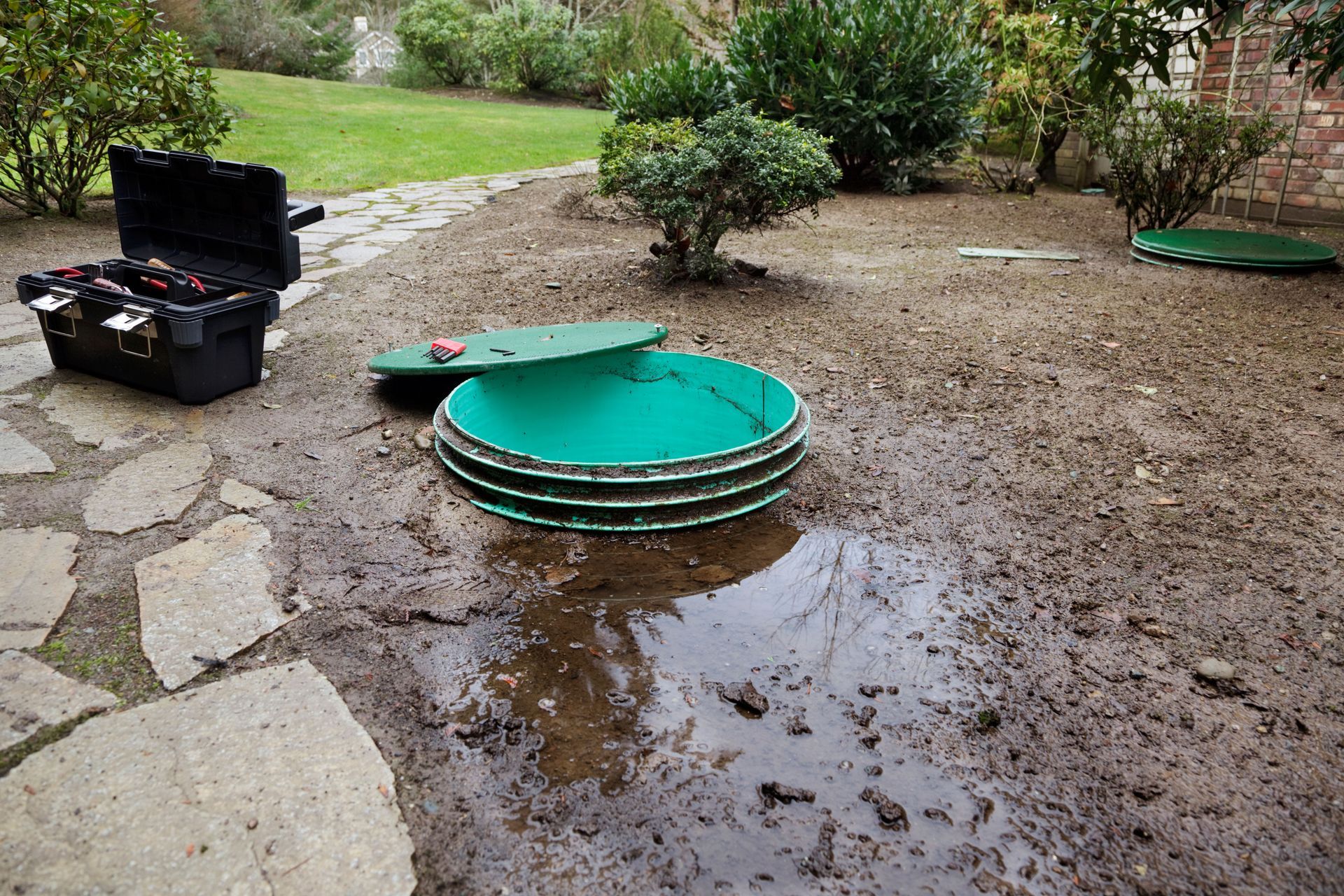
Septic system inspection is the foundation of proper maintenance because it identifies issues before they become disruptive. A professional company typically begins with a full visual review of the tank, lines, and surrounding drain field. This process helps detect cracks, leaks, and early warning signs of system stress that are not obvious to homeowners.
Another key part of inspecting involves checking sludge and scum levels inside the tank. When these levels rise too high, they can restrict flow and lead to backups into the home. Regular monitoring allows technicians to determine the right timing for pumping and prevent unnecessary strain on the system.
A septic company also evaluates system performance through flow testing and functional checks. These tests confirm that wastewater is moving correctly through each stage of treatment. When combined with visual findings, they provide a complete picture of system health and help guide next steps.
Pumping Septic Tanks
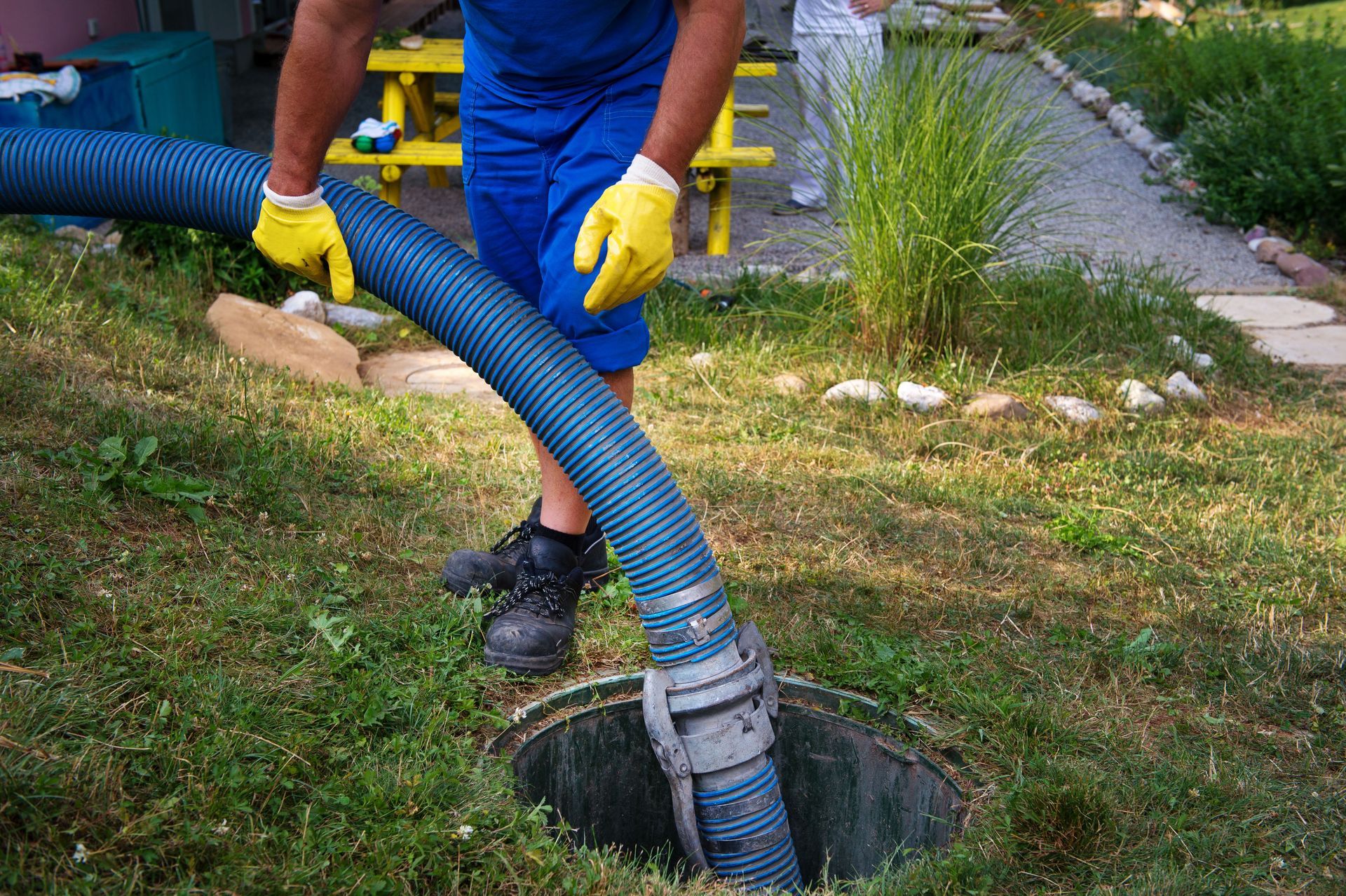
Pumping is one of the most recognized services offered by any company, and it plays a direct role in preventing system failure. Over time, solid waste accumulates in the tank and reduces capacity, making routine pumping essential for continued performance. Most households benefit from a scheduled pumping cycle every few years depending on usage and tank size.
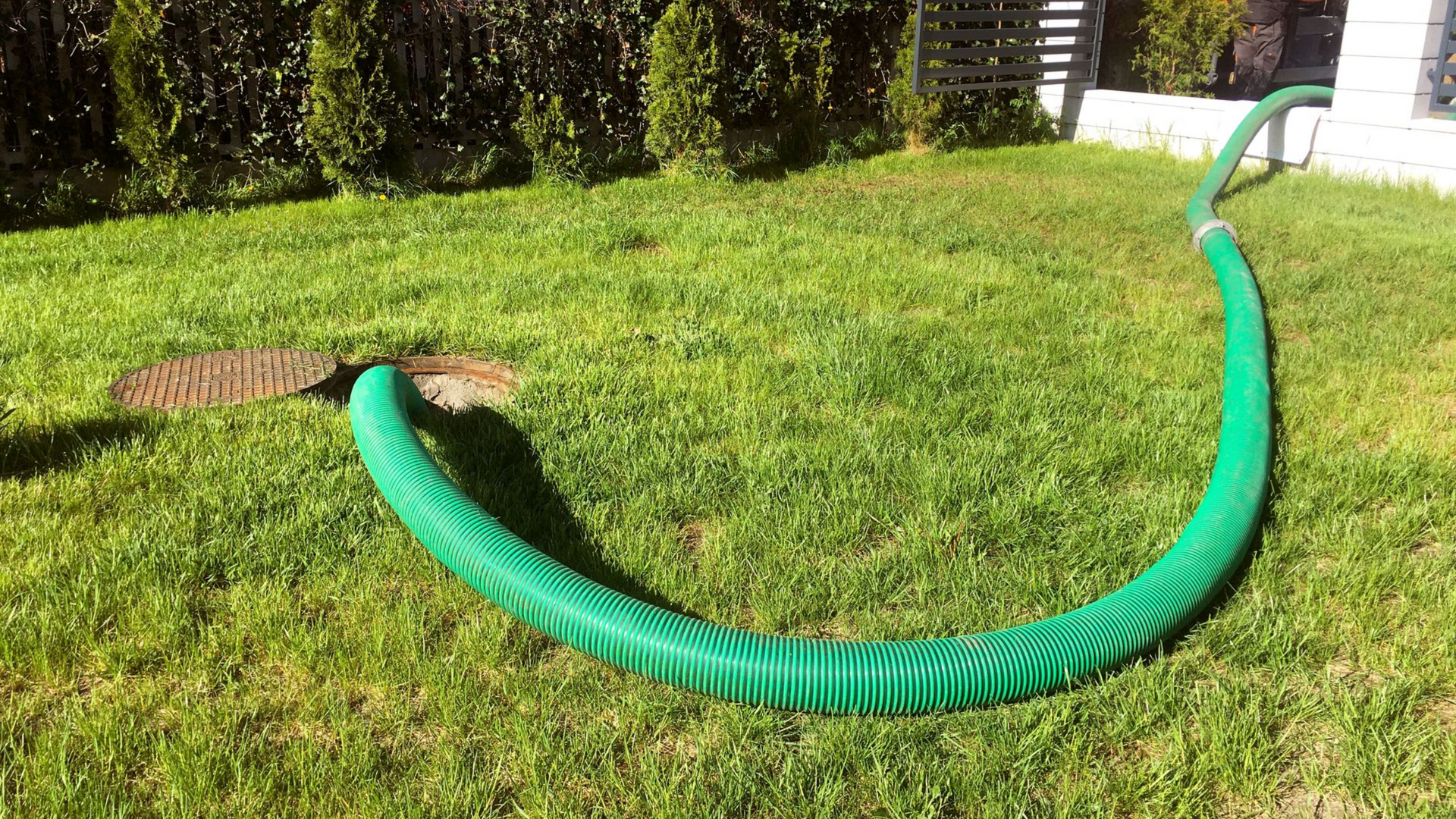
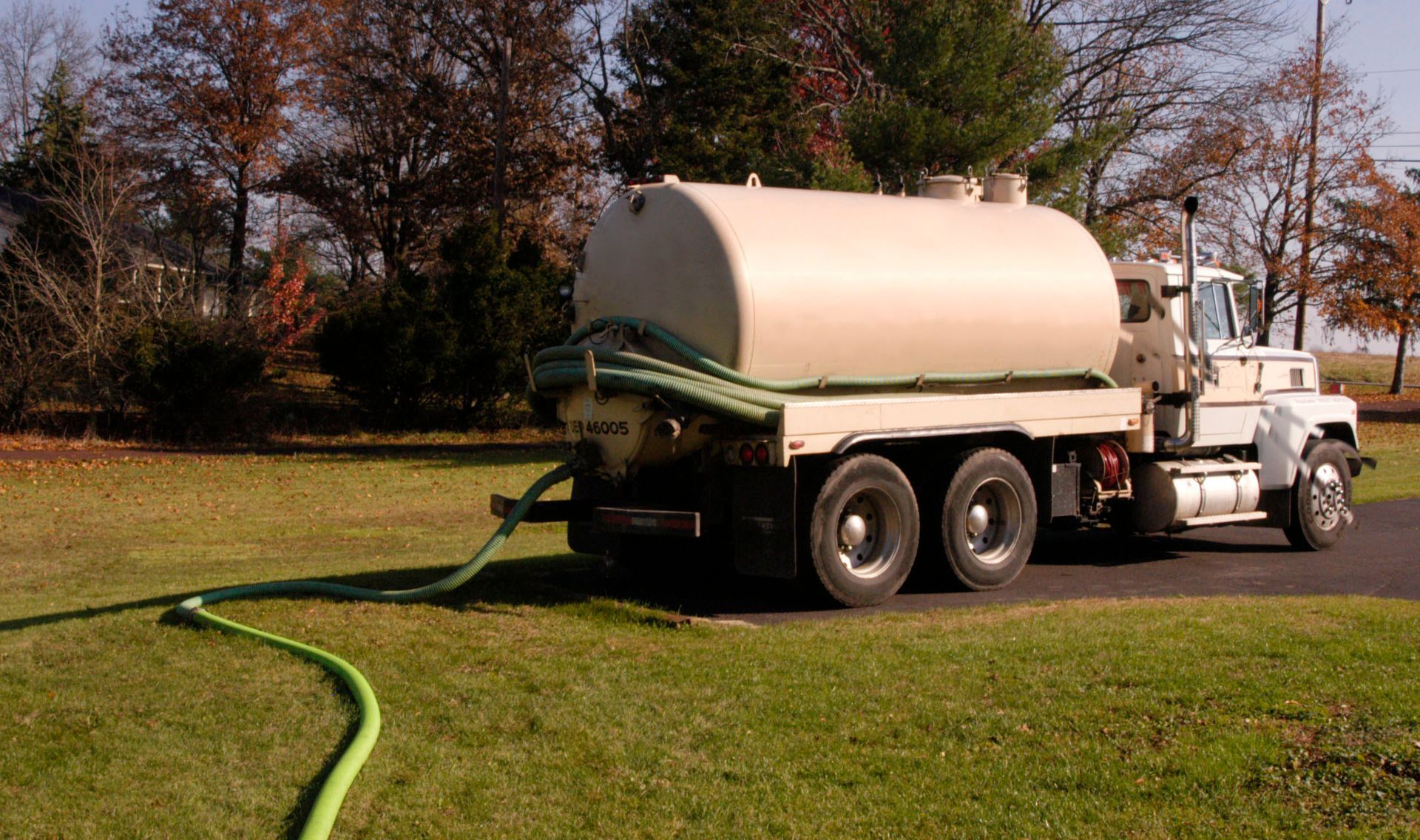
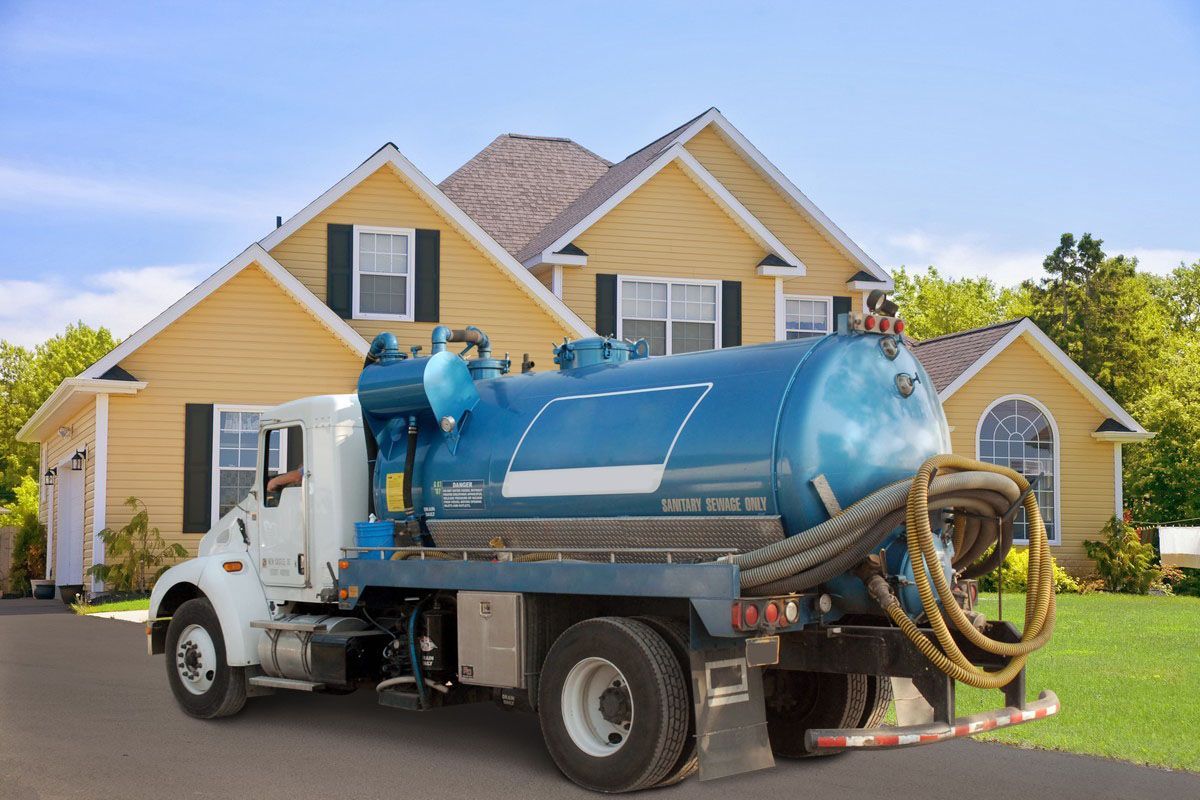
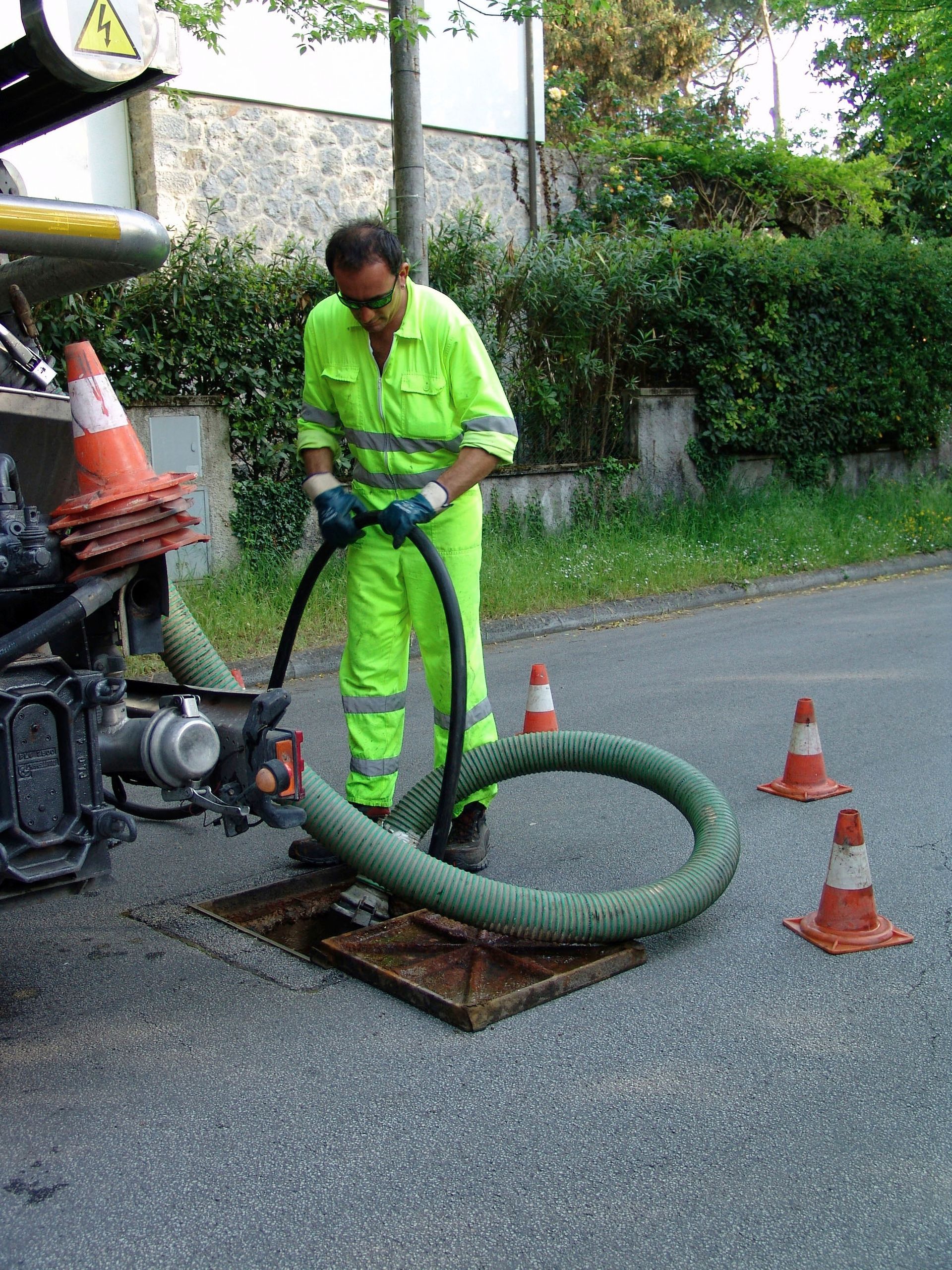
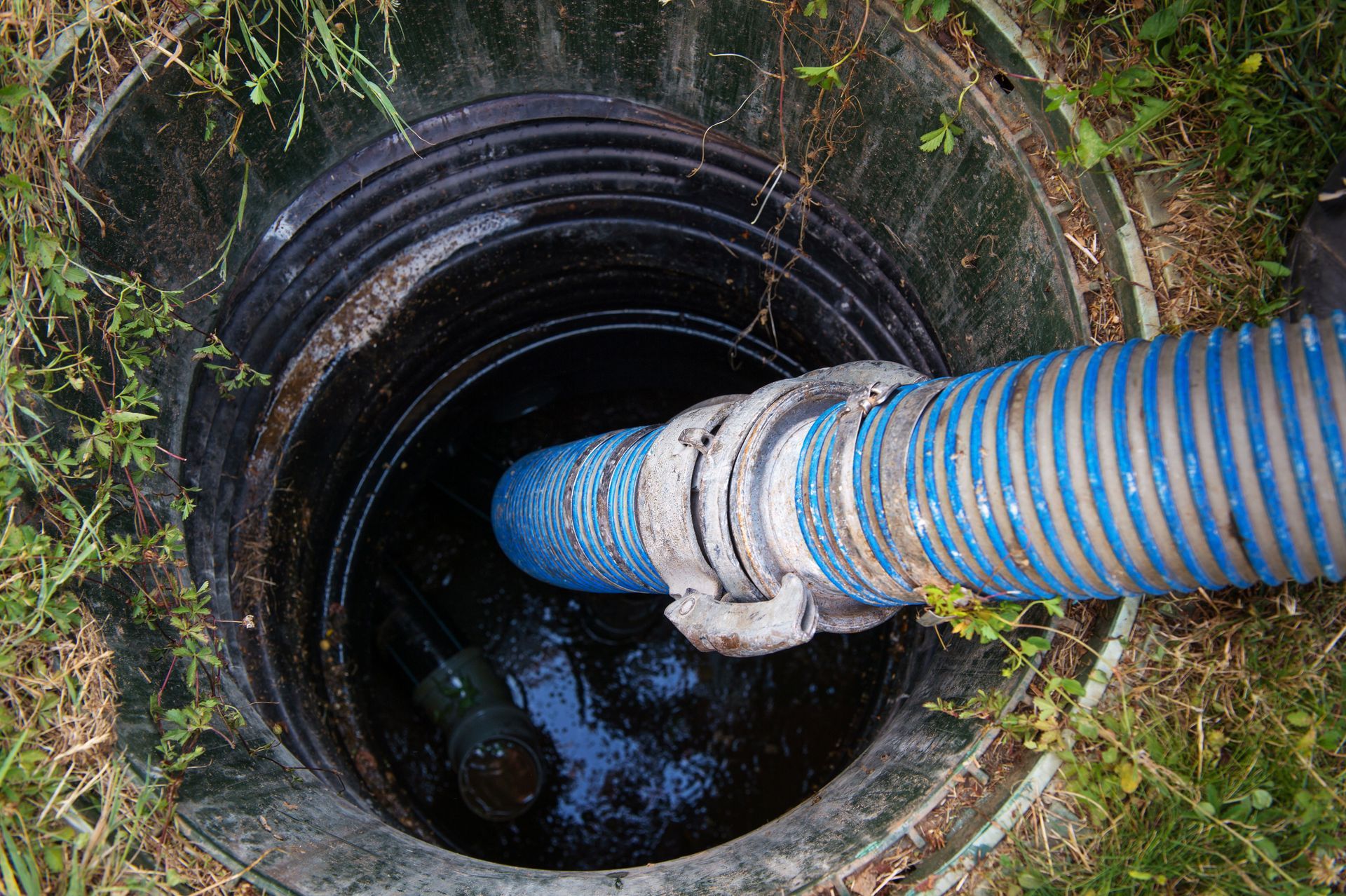
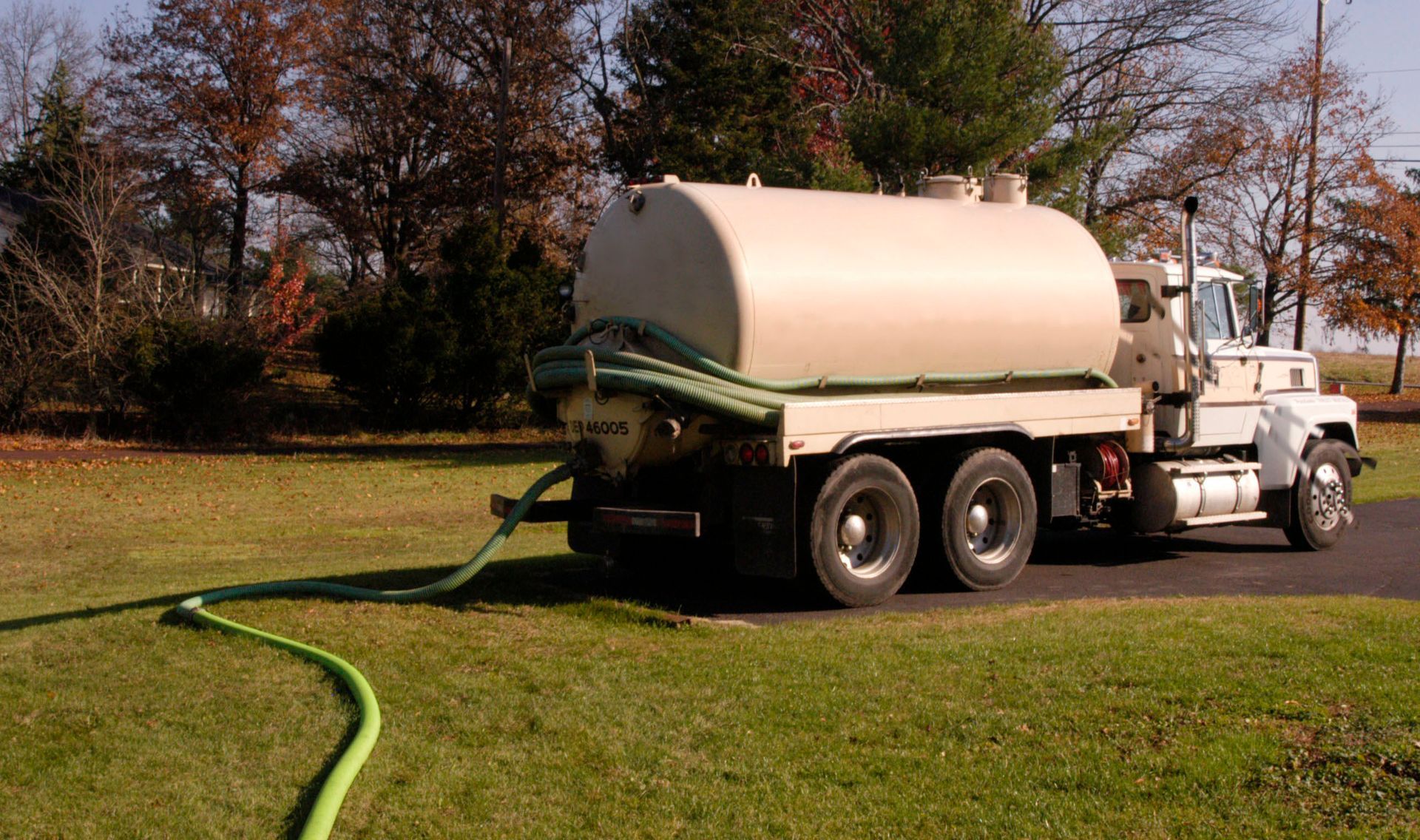
The process requires a specialized vacuum designed to safely remove waste without damaging the system. A professional septic company ensures the job is completed efficiently while minimizing disruption to the property. Proper handling also reduces the risk of spills or environmental contamination during service.
Disposal is another critical part of this process. Waste must be transported to approved treatment facilities that meet environmental standards. When done correctly, pumping not only restores system function but also protects surrounding soil and water sources.
According to the United States Environmental Protection Agency, routine septic maintenance costs around $250 to $500 every three to five years, which is significantly less than repairing or replacing a failed system, which can range from $5,000 to $15,000. This comparison shows why regular maintenance is a cost-effective measure compared to dealing with system failure.
Repairing Septic Components
Repair services are essential because even well-maintained systems eventually experience wear and tear. A qualified septic company addresses issues such as damaged pipes, failing pumps, or compromised drain fields before they escalate. Early repairs reduce the likelihood of system-wide failures that can disrupt household operations.
One common issue involves blockages caused by buildup or foreign materials entering the system. When left unresolved, these blockages can create pressure imbalances and lead to backups. Professional repair ensures that affected sections are cleared and restored to proper working condition.
Another important aspect is leak repair, which protects both the system and the surrounding environment. A septic company uses diagnostic tools to locate hidden leaks and prevent wastewater from contaminating soil or groundwater. Addressing these issues quickly helps maintain compliance with local health standards and protects long-term system integrity.
Installing Septic Systems
Installation is one of the most complex services a septic company provides, requiring careful planning and technical expertise. The process begins with site evaluation, where soil conditions, water tables, and property layout are assessed. These factors determine the most suitable system design for long-term performance.
Once planning is complete, permitting becomes an important step. This type of company typically manages documentation and ensures compliance with local regulations. This helps prevent delays and ensures the system meets all required standards before installation begins.
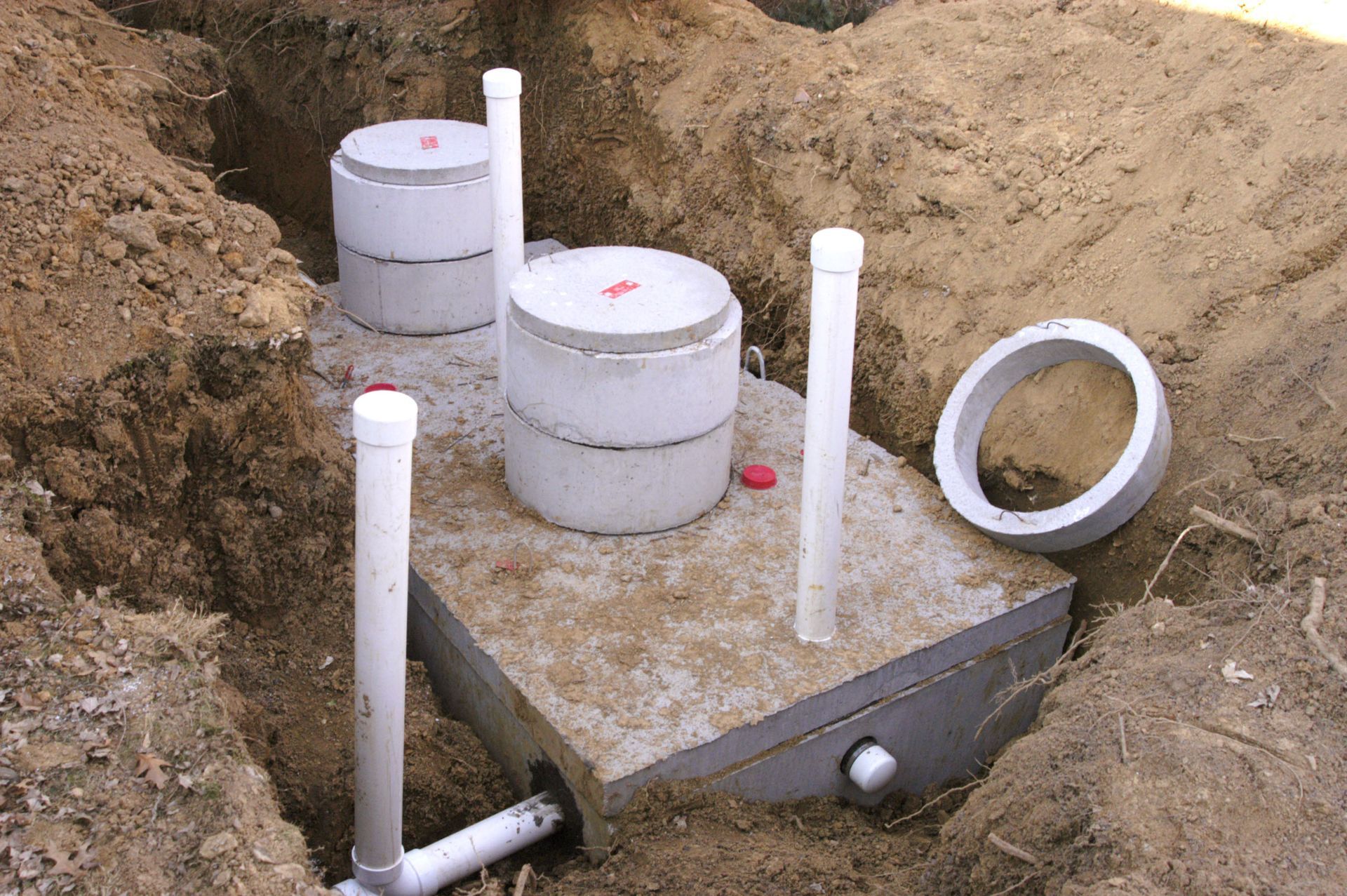
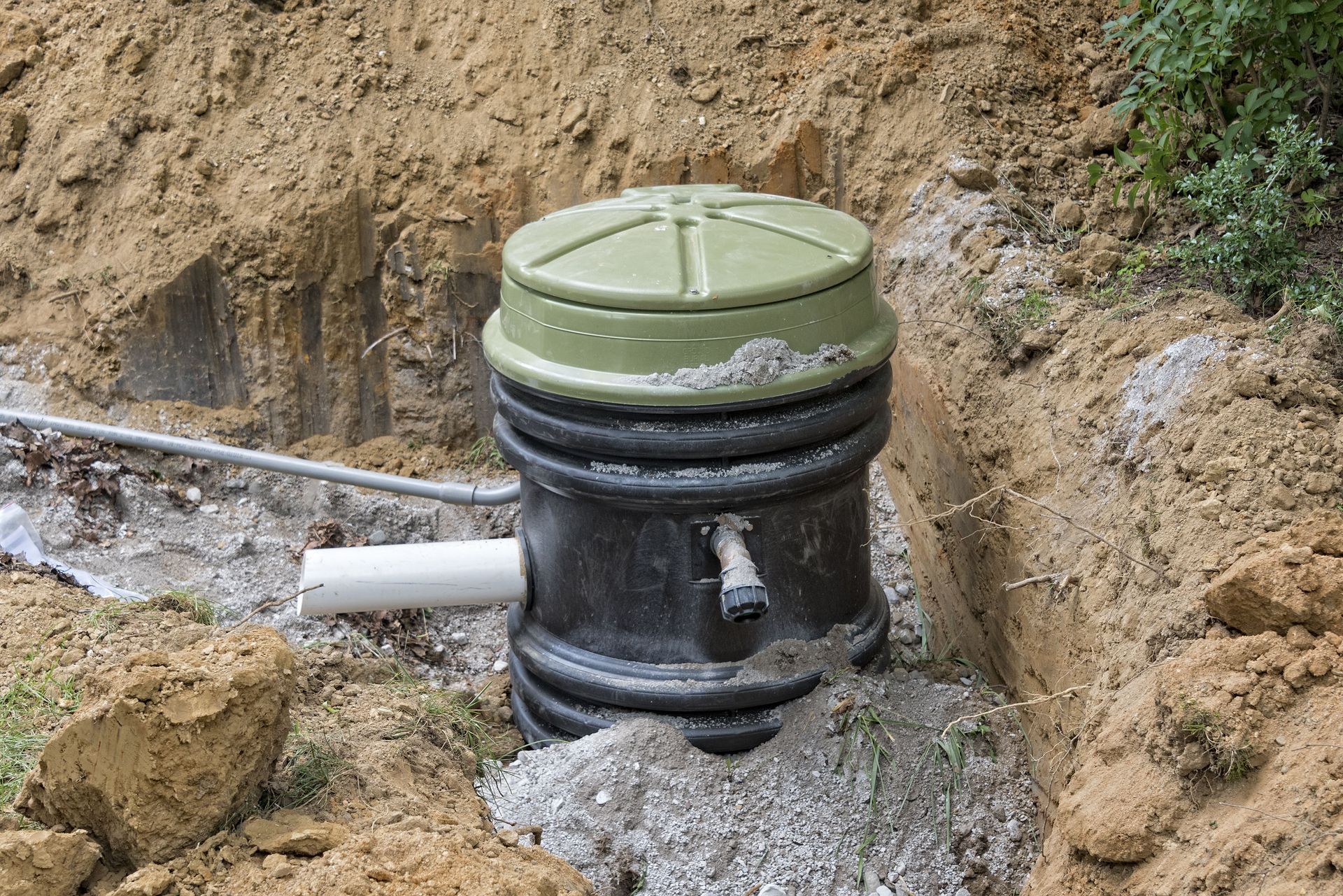
The physical installation involves excavation, tank placement, and connection of all system components. Each step must be completed with precision to ensure proper drainage and treatment flow. After installation, final inspections confirm that the system is functioning correctly and safely before it is placed into regular use.
Evaluating Septic Performance
Ongoing evaluation helps ensure that a septic system continues to operate efficiently over time. A septic company typically conducts performance assessments that measure flow rates, tank balance, and overall system response. These evaluations help identify inefficiencies before they become serious problems.
Part of this process includes reviewing household usage patterns. Changes in water consumption or occupancy can impact system performance significantly. By evaluating these factors, technicians can recommend adjustments or maintenance schedules that better match current needs.
Regular evaluations also support long-term planning. They can anticipate when components may need replacement or when system upgrades might be necessary. This proactive approach reduces the likelihood of unexpected breakdowns and supports consistent system reliability.
Upgrading Septic Systems
System upgrades are often necessary when household needs change or when older systems no longer meet current standards. A septic company may recommend improvements such as expanded capacity, updated components, or enhanced treatment features. These upgrades help extend system lifespan and improve efficiency.
Modern technology has also introduced more advanced monitoring and treatment options. These systems allow homeowners to track performance more accurately and respond to issues earlier. Incorporating these tools can significantly reduce long-term maintenance challenges.
Upgrading also provides an opportunity to improve environmental performance. More efficient systems reduce waste output and improve filtration quality. For homeowners planning long-term property use, these enhancements can deliver both financial and environmental benefits.
Servicing Septic Systems
Routine servicing brings together all aspects of septic care into a structured maintenance approach. A septic company typically offers scheduled service plans that include inspections, pumping, and minor adjustments. This consistency helps maintain system stability throughout the year.
Preventative service plans are especially valuable because they reduce the risk of emergency repairs. Small issues are identified early and corrected before they escalate. This approach also helps homeowners better manage maintenance costs over time.
Service visits often include recommendations for continued care. A septic company may suggest usage adjustments or minor improvements that help extend system life. These practical insights ensure the system continues operating efficiently under real-world conditions.
Understanding the essential services provided by this type of company helps homeowners make more informed, confident decisions about system care and long-term maintenance. When the full range of services is understood, it becomes easier to see how each step—inspections, pumping, repairs, and upgrades—works together to keep the system operating as intended. From inspections and pumping to repairs and upgrades, each service plays a role in protecting both property and the surrounding environment while also reducing the likelihood of disruptive failures.
Consistent attention reduces risk, improves performance, and helps avoid unexpected expenses that often come with system neglect or system failure. Over time, this level of care supports better efficiency, fewer emergency situations, and a more predictable maintenance schedule. A well-maintained septic system is not just a convenience but a long-term investment in property stability, environmental responsibility, and overall household health. Choosing a qualified septic company ensures that every stage of maintenance is handled professionally, proactively, and with attention to long-term system performance rather than short-term fixes. For dependable service and long-term system protection, contact Chase-Harris Septic Service.
Share On: