

5 Essential Facts About Septic Pumping You Should Know
Septic systems play a crucial role in managing household wastewater in areas without centralized sewer systems. Proper septic system maintenance is vital for both the environment and your property. One of the most essential aspects of maintenance is regular septic pumping. This article outlines the five essential facts about septic pumping, ensuring that your system remains functional and safe for years to come.
In the absence of frequent assessment and maintenance, a septic system can succumb to a variety of issues. From overflows to clogs, each potential malfunction poses a risk to both property and health. Septic system users must therefore be diligent in understanding the critical truths about keeping their systems in optimal condition.
This article offers a comprehensive guide to the crucial aspects of septic pumping. The following insights organize relevant information and recommendations to help homeowners avoid common pitfalls. Partial maintenance might only offer temporary benefits, which is why each homeowner needs a robust understanding of the requirements around septic system upkeep.
1. Understanding Septic Systems
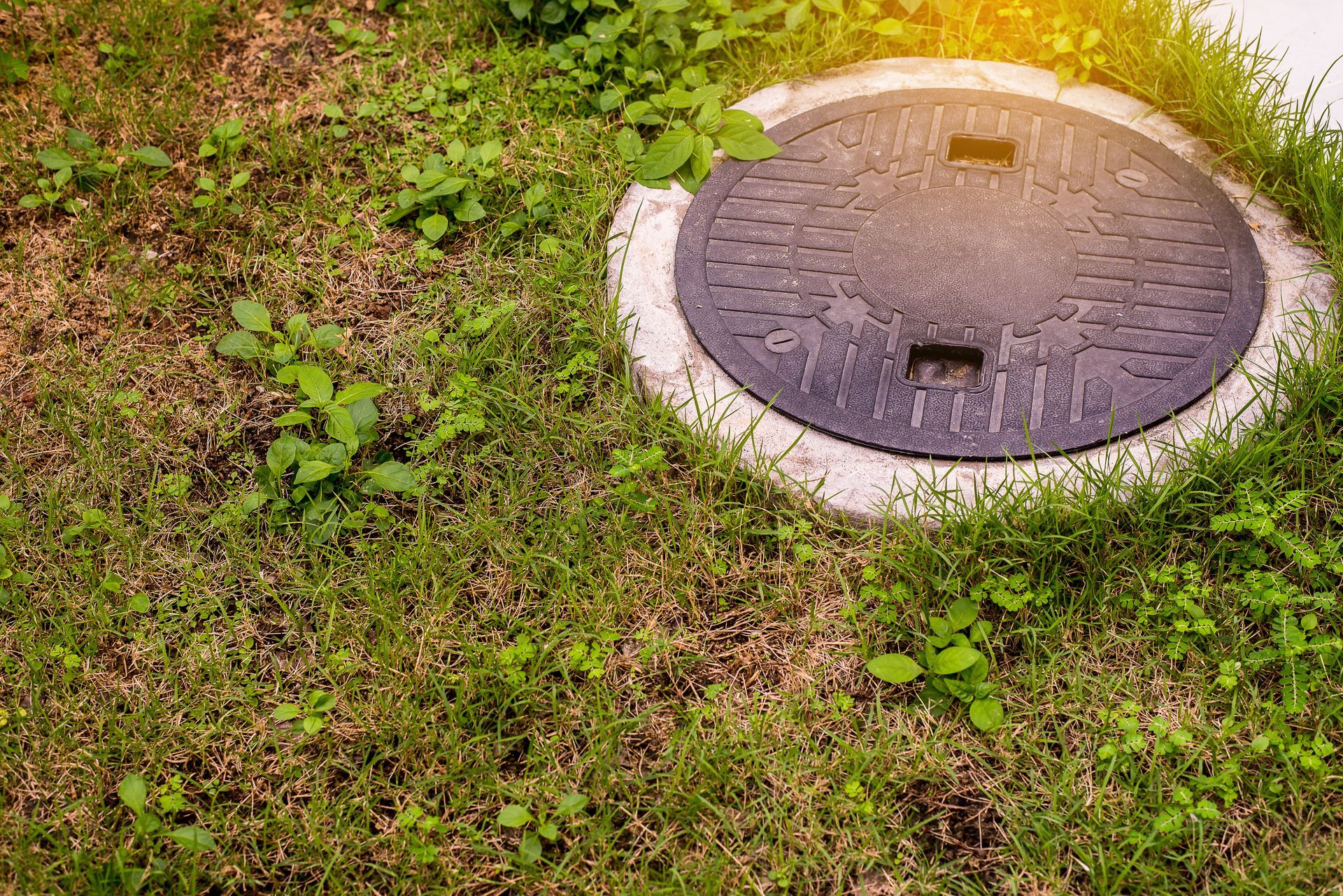
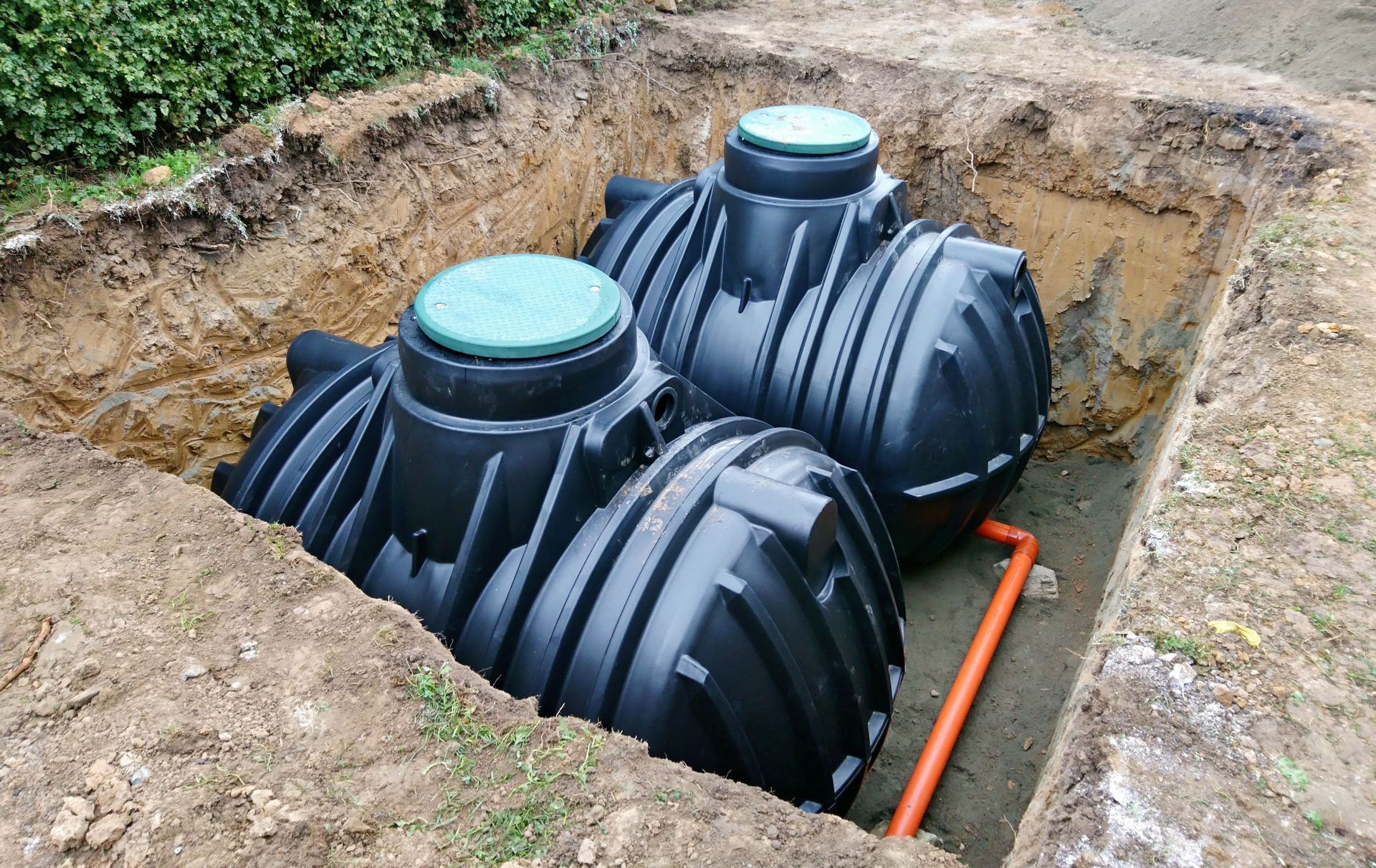
Septic pumping systems consist of key components that work in harmony to treat and dispose of household wastewater. The process begins in the septic tank, where waste is stored and partially broken down by bacteria. Next, liquid effluent flows into the drain field, where it undergoes further decomposition. The soil absorption area acts as a natural filter, additionally purifying water before it enters the groundwater supply. Grasping these fundamental processes is crucial to appreciating the necessity of regular maintenance, including pumping.
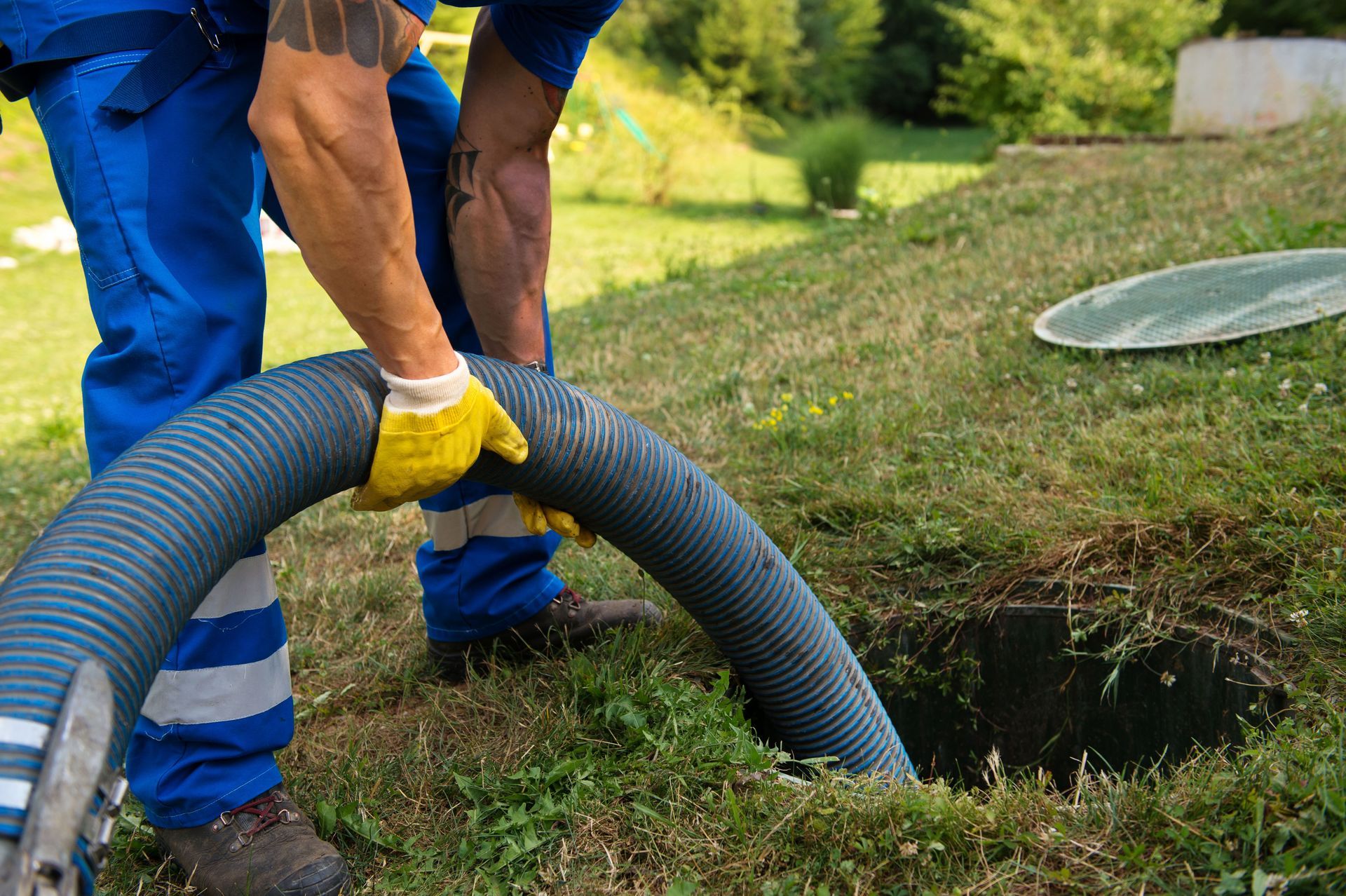
An effectively functioning septic pumping system relies heavily upon the balance and interaction of these components. Any disruption, such as clogging or overflow, can impede waste treatment. Moreover, regular maintenance serves more than just the mechanical functions; it supports the biological processes integral to waste decomposition. Ensuring that the tank is not blocked or overfilled is critical. The Environmental Protection Agency (EPA) advises that a tank should be pumped if the bottom of the scum layer is within six inches of the bottom of the outlet.
A well-maintained system prevents the introduction of untreated wastewater into the environment. Owners must therefore periodically monitor key operational aspects to ensure sustained efficacy. By fully understanding the components and their functions, owners can more effectively identify symptoms of failure. Identifying such signs early can mitigate risks before they escalate into costly repairs. Regular checks and a robust maintenance strategy can extend system longevity significantly.
2. Selecting System Variations
In the realm of septic pumping systems, there exists diversity that accommodates varied environmental and household demands. Conventional systems, featuring gravity-driven drain fields, are common in rural areas with suitably permeable soils. Chamber systems, on the other hand, use connected chambers and are often favored in less optimal soil conditions. Additionally, aerobic treatment units utilize oxygen to break down waste more efficiently over a smaller footprint. Each system type presents unique pumping requirements and is tailored to specific site conditions.
Selecting the appropriate system depends on soil composition, space availability, and local climate conditions. These factors influence system efficiency and sustainability over the long term. For instance, aerobic systems require more frequent pumping given their reliance on mechanical parts and additional oxygen introduction. Understanding these differences is essential in developing a maintenance plan that ensures operational consistency. The various system types underscore the importance of informed decision-making in septic management.
Individual system requirements notwithstanding, the universal necessity of septic tank pumping remains. Properly assessing each system facilitates alignment with both local regulations and environmental protections. Owners should engage certified professionals who are well-versed in system-specific intricacies. Tailored maintenance strategies should account for the system type and the frequency at which the tank fills, impacting the recommended intervals between pumpings. Adoption of best practices, rooted in system understanding, furthers longevity and environmental compliance.
3. Failing Systems and the Obvious Signs
Prompt detection of septic system failures can halt escalation and avert environmental hazards. Abnormalities such as slow drainage throughout the household often signal a tank nearing capacity. Similarly, gurgling sounds in plumbing systems, unpleasant odors around the property, and visibly lush patches of grass may point towards leaks or a full tank. Backups in sinks or toilets are also critical indicators necessitating urgent pumping and potential system repair. Recognizing these signs early enables timely intervention and prevents further damage. According to the EPA, a tank should be pumped if the bottom of the scum layer is within six inches of the bottom of the outlet.
High levels of accumulated solids within the tank can impair bacterial decomposition, leading to system inefficiency. This situation potentially causes harmful wastewater to spill into the drain field or seep into the groundwater. Moreover, sediment buildup exacerbates flow impediments, hastening the need for professional intervention. The key to averting such scenarios lies in routine inspections and adhering to the guidelines for tank capacity management. Homeowners should learn to correlate system malfunction with possible maintenance oversights or malpractices.
System failure carries consequences that impact more than just the affected household. Contaminated groundwater poses public health threats and could result in regulatory fines or orders for remediation. Beyond financial and legal implications, environmental contamination due to septic system failure bears broader societal concern. As stewards of these systems, owners shoulder the responsibility of diligent maintenance. By equipping themselves with knowledge of common failure signs, owners can take proactive measures to maintain system integrity and contribute to environmental preservation.
4. Impacting the Environment
The ecological implications of septic maintenance are significant and multifaceted. Regular septic pumping constitutes a major preventive measure against water source contamination. Septic systems that fail can introduce pathogens and harmful nutrients into the groundwater, leading to ecosystem disruption. Moreover, untreated wastewater discharge from overwhelmed systems directly impacts flora and fauna. Ensuring systematic maintenance, including periodic pumping, constitutes a vital element of environmental stewardship.
Concerns about appropriately managed septic systems extend beyond human populations. Nutrients seeping into the environment can alter the natural balance, encouraging algal blooms in water bodies. These blooms can deplete oxygen, threatening aquatic life and jeopardizing fishing industries. Addressing the root of these ecological concerns through regular system checkups offers protection against long-term environmental damage. An informed approach to system management equates to being an active participant in ecosystem conservation.
Septic system maintenance further supports legislative adherence, as many locales have implemented regulations mandating specific upkeep tasks. Failure to comply with these standards not only risks fines but also increases the likelihood of environmental degradation. On-site wastewater treatment, when properly regulated, provides a sustainable option for rural and suburban waste management. Homeowners are urged to fully understand their role in adhering to these regulations and to seek assistance from specialists. Proper maintenance, underpinned by regular pumping, is both an economic and environmental imperative.
5. Engaging Legal and Regulatory Overviews
Familiarity with local legal frameworks regarding septic system management is essential for homeowners. Communities impose regulations aimed at ensuring proper wastewater treatment, safeguarding public health, and protecting water resources. These regulative measures vary by state and locality, influencing everything from the permissible site for installation to mandatory maintenance schedules. Compliance with these rules reduces the risk of detrimental environmental impact and financial penalties. Engaging local health departments can provide clarity on specific operating requirements and obligations.
Legal guidelines typically stipulate mandatory intervals for various maintenance tasks, emphasizing the importance of professional oversight. Pumping regulations may prescribe a range based on household size, tank capacity, and system type. Documentation supporting adherence, such as maintenance logs and service receipts, protects against non-compliance claims. By being thorough and informed, homeowners can navigate regulatory landscapes confidently. Professional advice and services often alleviate the burden of keeping abreast of continuously evolving regulations.
Regular septic pumping is not merely a routine task but a critical responsibility that safeguards both household infrastructure and the surrounding environment. By understanding how septic systems function, recognizing the signs of failure, selecting appropriate system types, and adhering to environmental and legal standards, homeowners can significantly extend the life of their systems. Proactive maintenance reduces costly repairs, prevents contamination, and ensures compliance with local regulations. Ultimately, informed and consistent septic care promotes long-term efficiency, protects public health, and supports sustainable wastewater management for years to come. Are you looking to inquire about septic pumping services? If so, contact Chase Harris Septic Services today.
Share On: