

Clever Ways Local Septic Pumping Protects Your Home
Understanding the importance of septic pumping and how it safeguards your home is crucial for homeowners. This article explores various facets of septic pumping and its role in home protection. By delving into these aspects, we aim to highlight the significance of proactive septic system management. Ensuring septic systems function optimally is vital in maintaining both household health and safety.
What is septic pumping and why is it important?
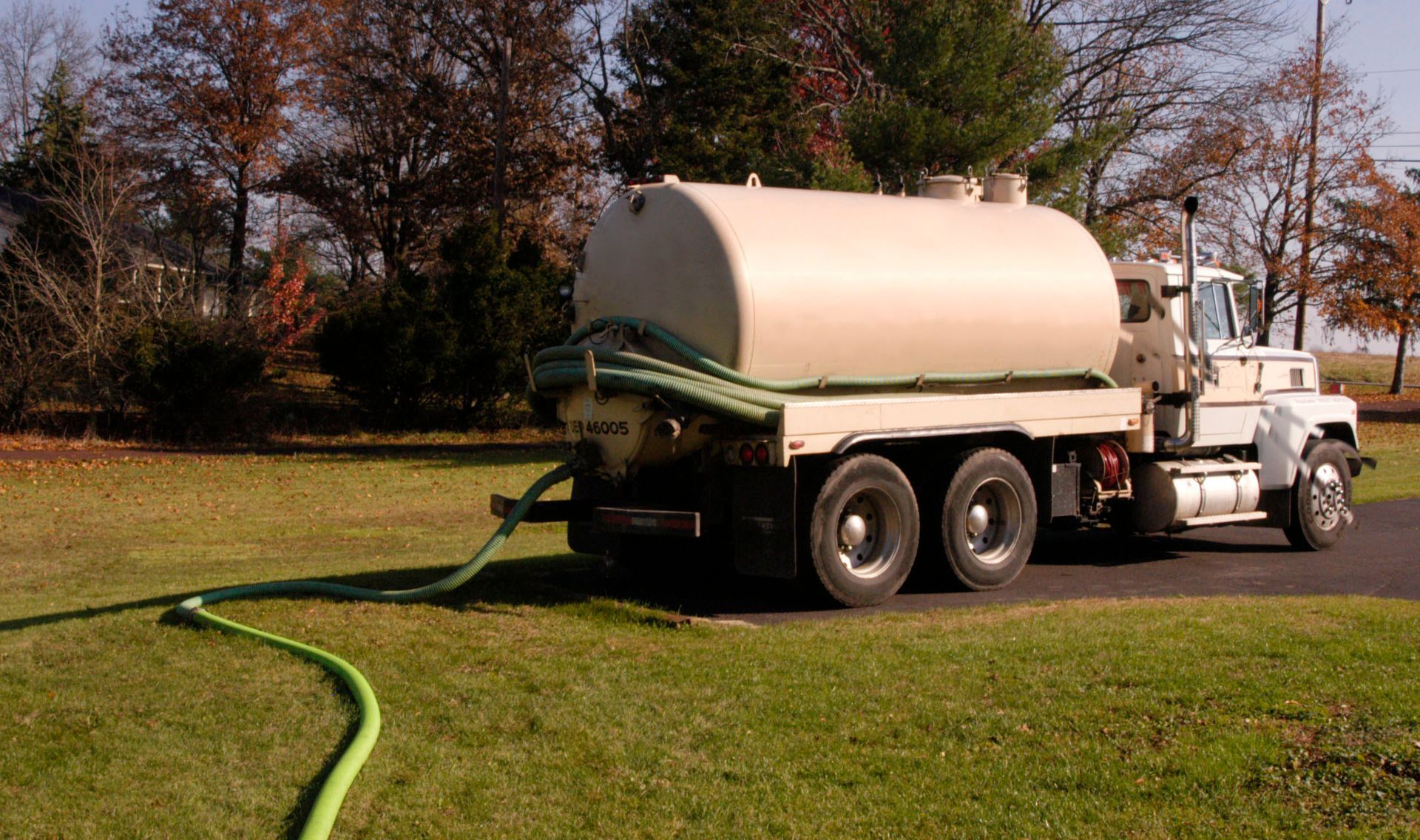
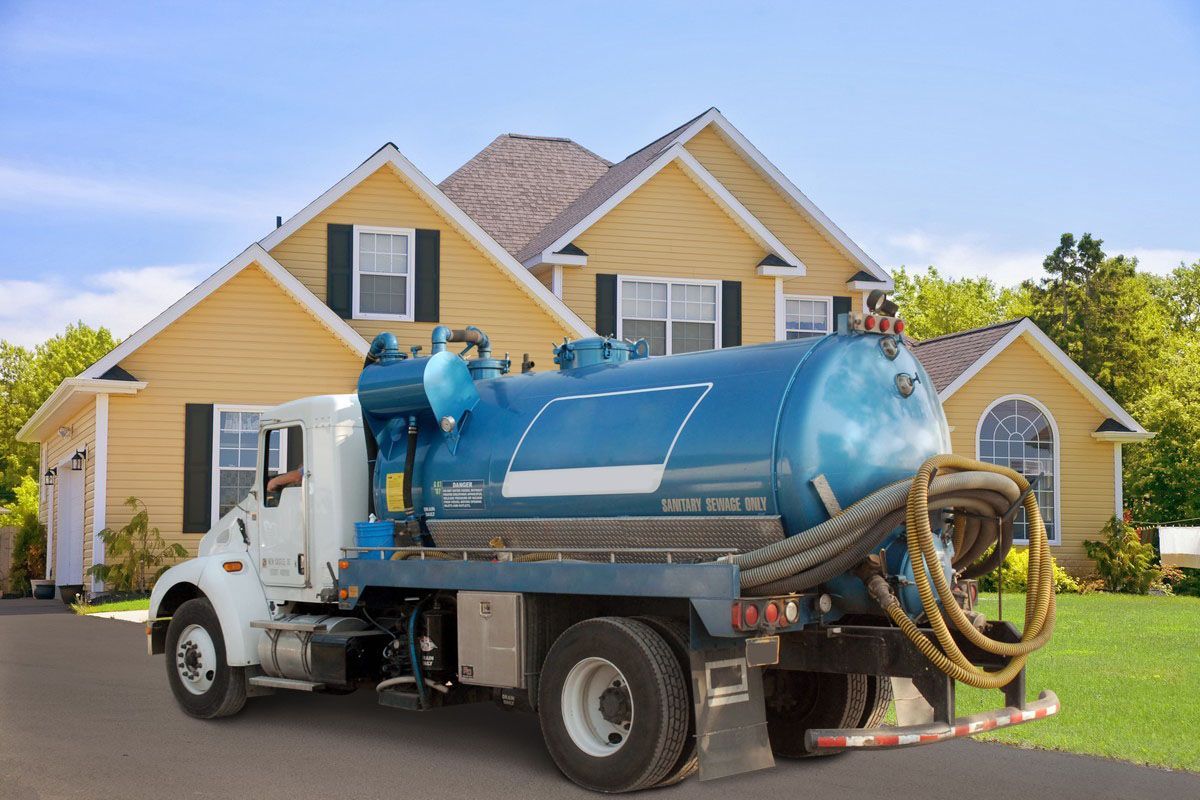
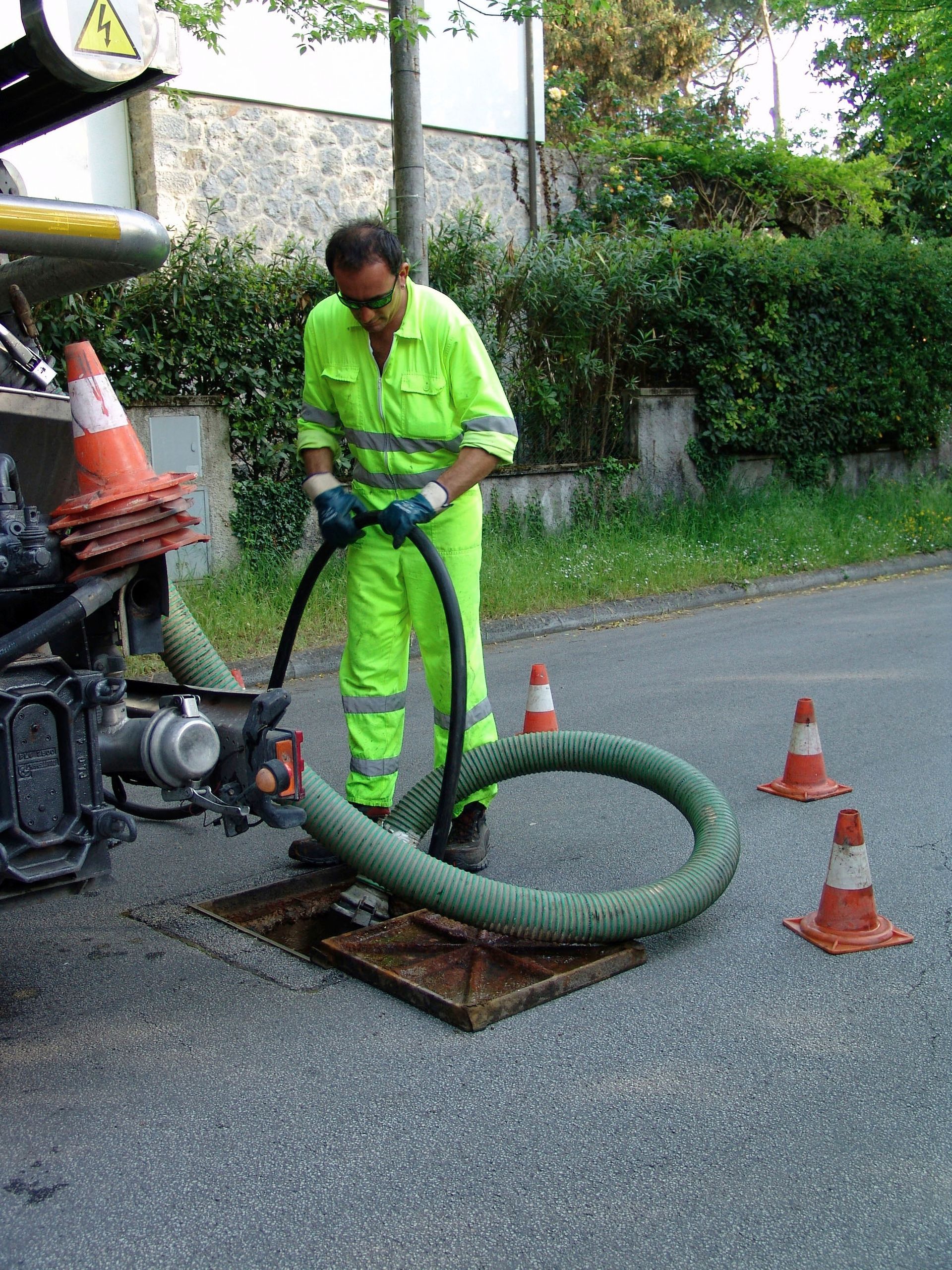
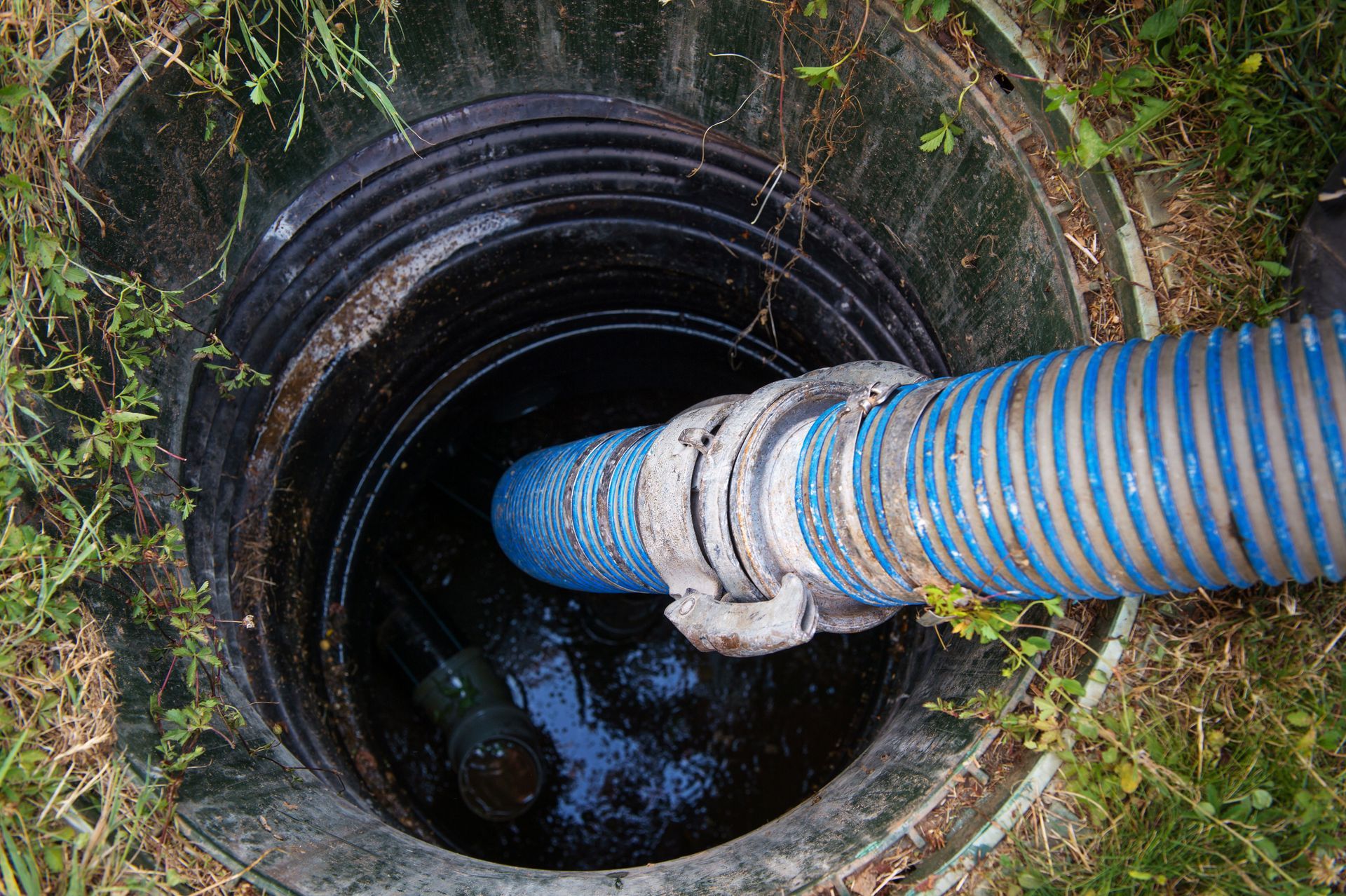
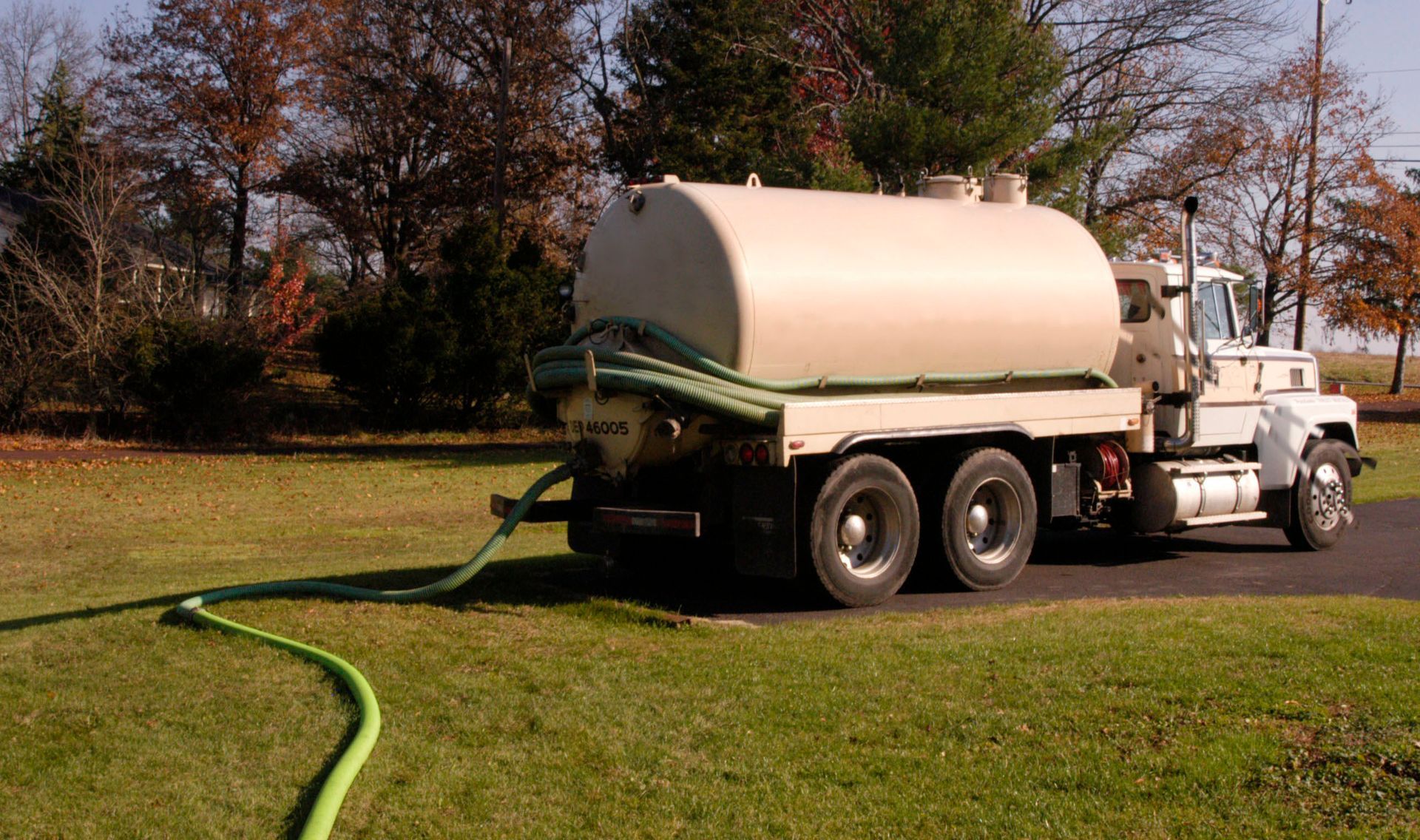
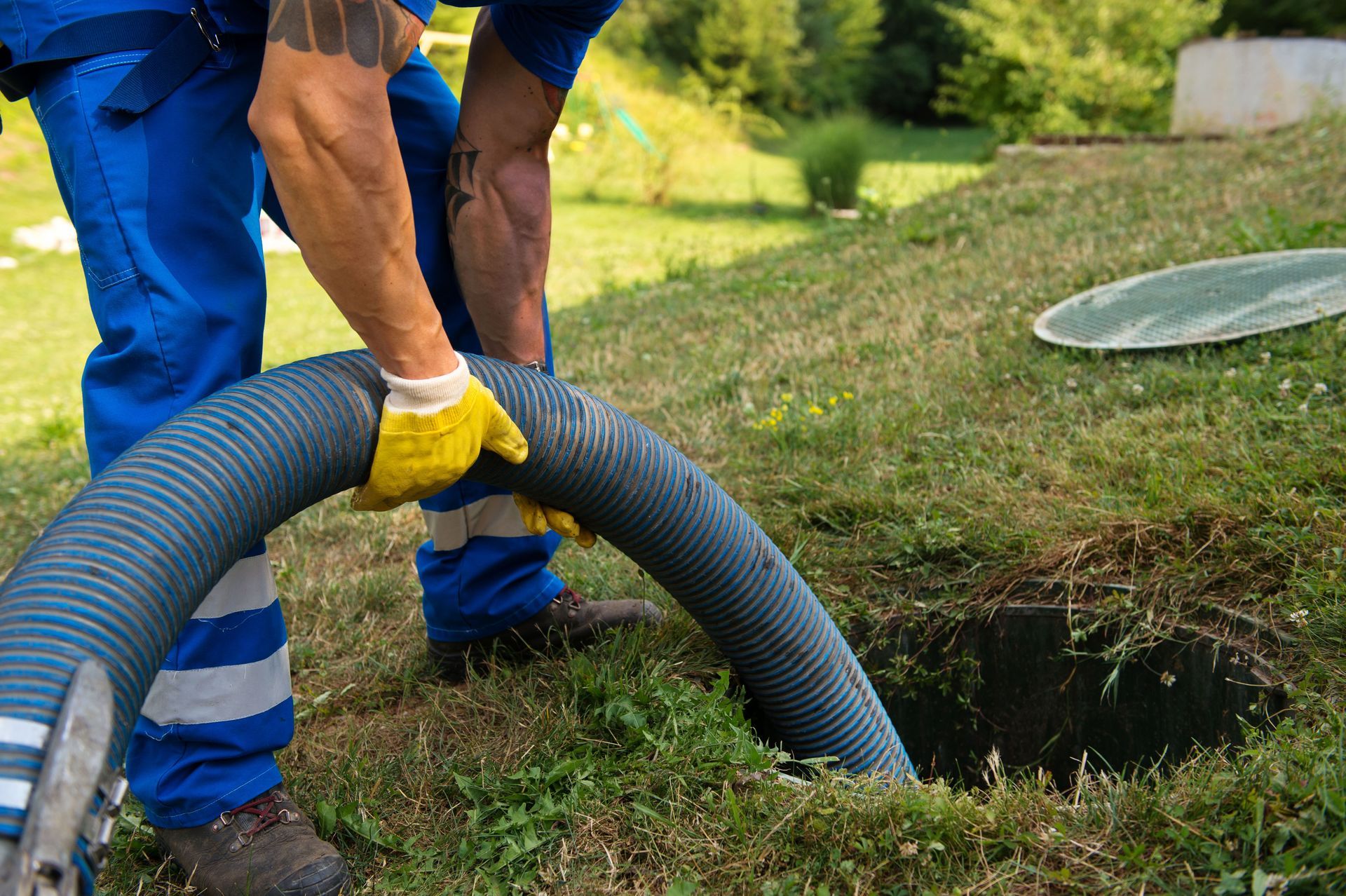
Septic pumping is the process of removing accumulated sludge and scum from the septic tank to prevent clogs and system failure. The septic system primarily serves as a home’s onsite wastewater treatment facility, separating solid waste from liquid. Regular septic pumping is essential to ensure the system functions efficiently and prevents potentially costly repairs. It is a cornerstone of effective septic system maintenance, safeguarding against unforeseen malfunctions.
Understanding the basics of septic systems
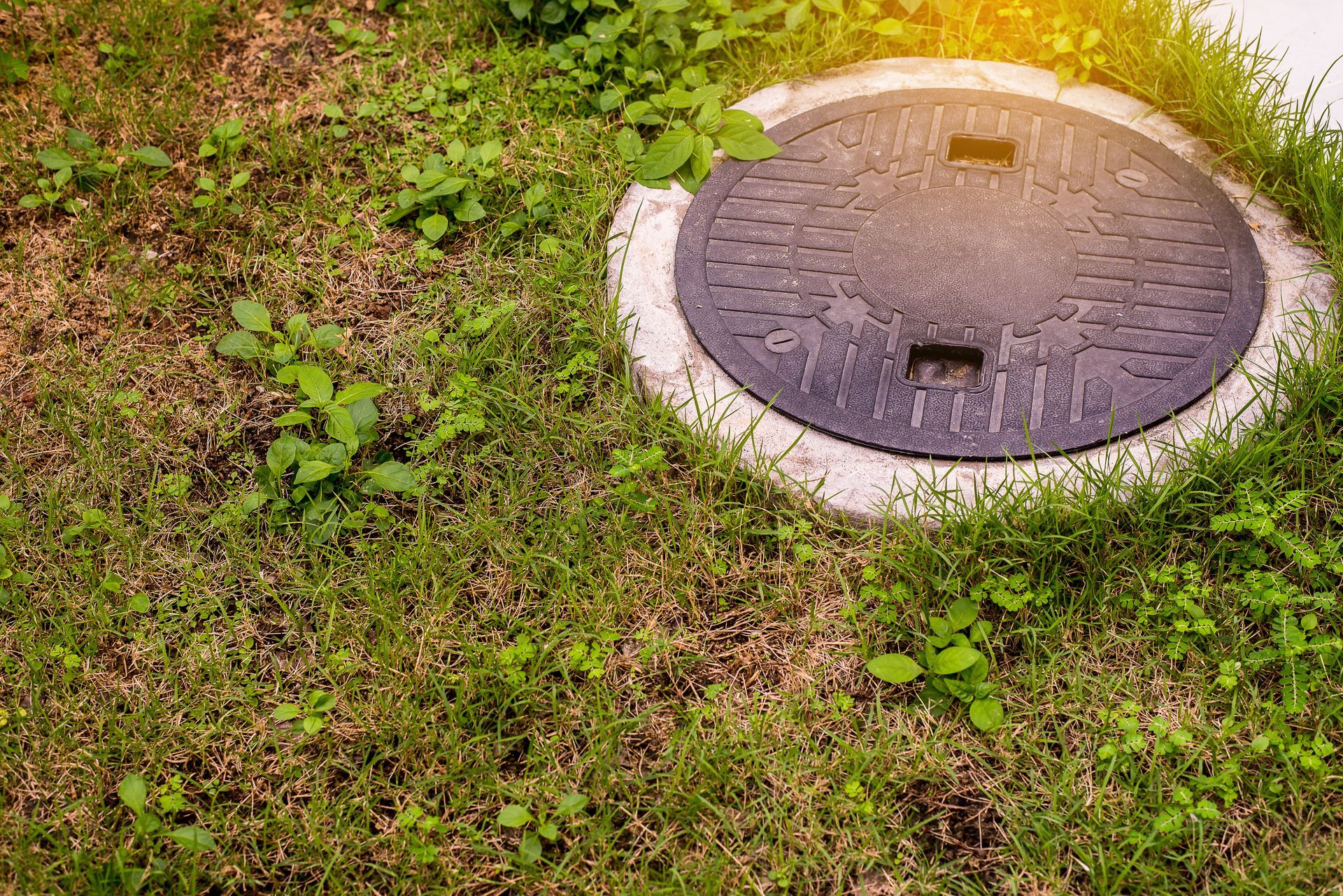
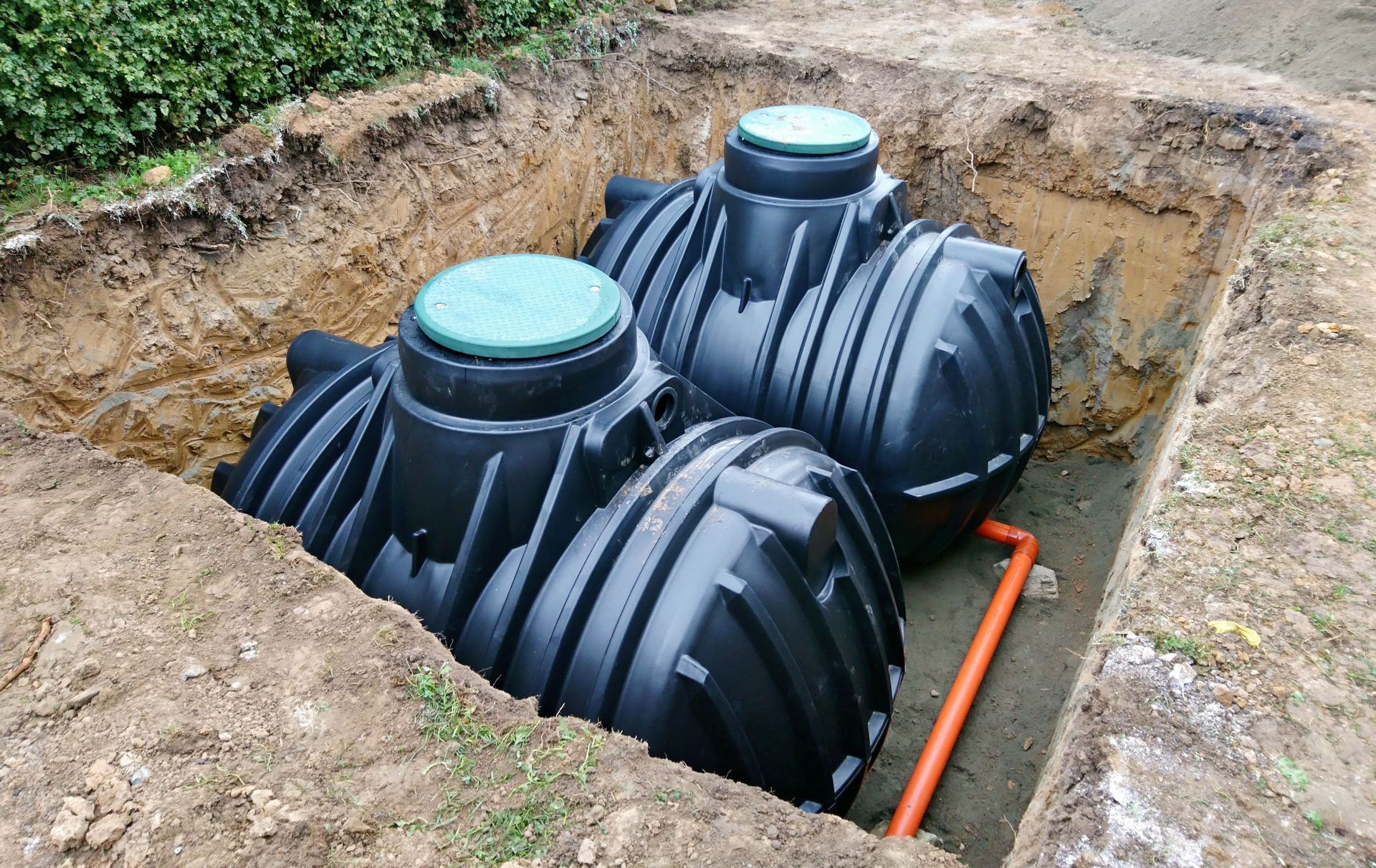
The basic components of a septic system include a septic tank, a distribution box, and a drain field. Wastewater flows from the household into the septic tank, where solids settle at the bottom, and liquids exit into the drain field for further treatment. Septic tanks are designed to store a specific amount of solid waste, emphasizing the need for periodic pumping. Understanding these principles helps homeowners recognize the importance of regular maintenance.
The role of septic pumping in system maintenance
Septic pumping is vital in removing the solids that accumulate over time, preventing these from entering the drain field and causing blockages. This routine service minimizes the risk of backups and excessive wear on system components. Through reliable septic pumping, homeowners protect their investments and prolong the life of the septic system. By maintaining a pumping schedule, property owners can prevent the inconvenience and expense of a failing system.
Common problems caused by neglect
Neglecting regular pumping can lead to several issues, including foul odors, slow drains, and sewage backups. Over time, the buildup of solid waste in the tank can result in blockages, impairing the system's ability to treat wastewater effectively. These issues not only pose a health risk but can also necessitate costly repairs or replacement of system components. Addressing these concerns early through timely septic pumping prevents significant and expensive problems.
Benefits of regular septic pumping
Regular septic pumping offers numerous benefits, such as improving system efficiency, preventing malfunctions, and safeguarding the environment. By removing accumulated waste, the septic system can better process wastewater, ensuring clean discharge into the drain field. Furthermore, consistent pumping reduces the likelihood of components wearing out prematurely, saving costs on repairs. Adhering to a pumping schedule ultimately protects the home and extends the system’s operational lifespan.
How often should septic tanks be pumped?
The frequency of septic pumping depends on several factors, including household size, tank size, and water usage. Typically, experts recommend that septic tanks be pumped every three to five years to maintain efficient operation. Individual circumstances may dictate more frequent service, especially if the system experiences heavy usage. Regularly monitoring the system and adapting the pumping schedule accordingly ensures optimal performance and reduces the risk of costly repairs.
Factors that determine pumping frequency
Several variables determine how often a septic tank should be pumped, such as household size, system size, and usage patterns. A larger household or higher water consumption may require more frequent pumping to prevent the tank from overflowing. Additionally, the capacity of the septic tank influences the pumping interval, as smaller tanks fill up faster. Understanding these factors is crucial for developing an appropriate maintenance schedule to prevent system failure.
Signs your septic tank needs pumping
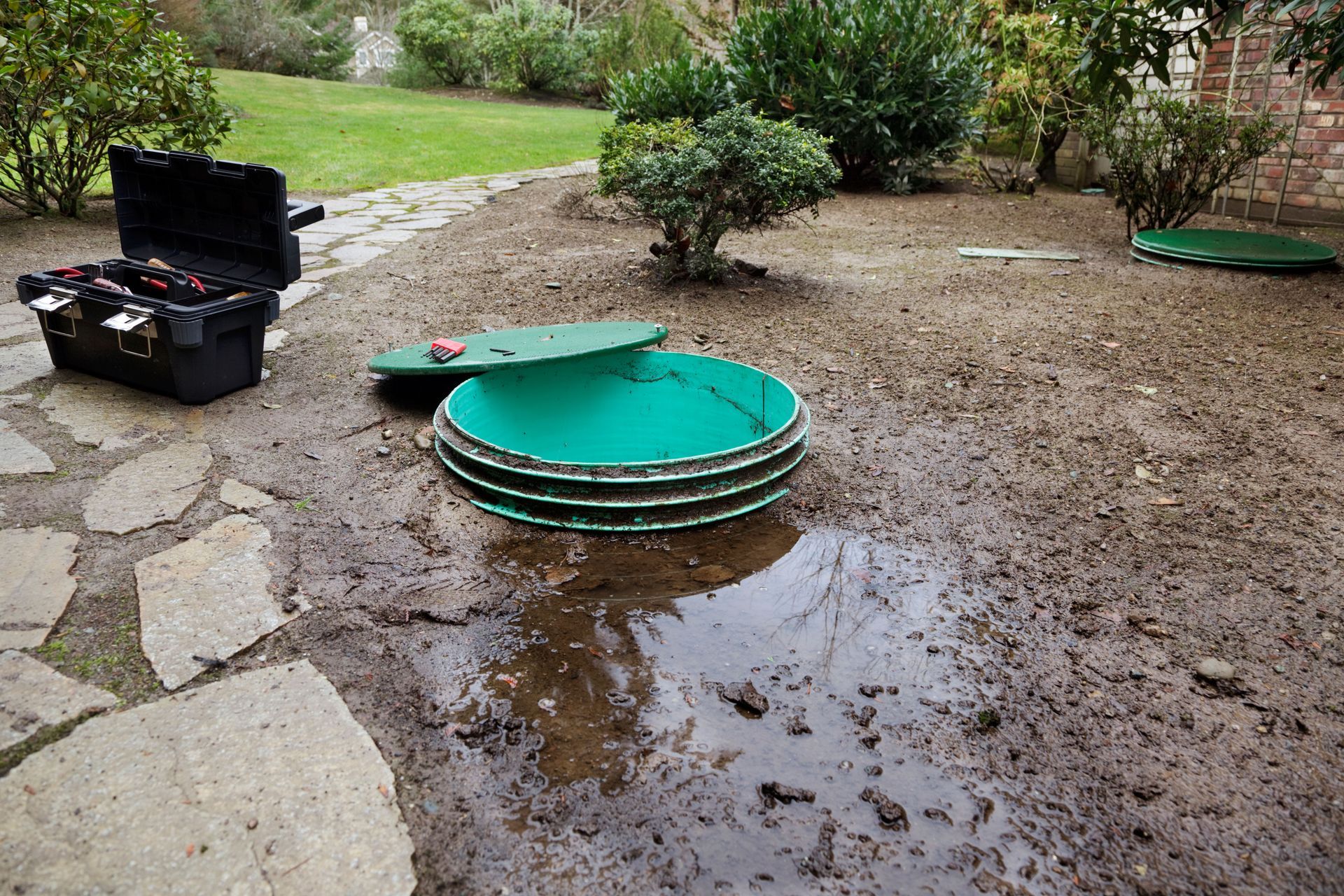
Homeowners should be vigilant for signs indicating their septic tank requires pumping, such as slow drains, gurgling sounds, or unpleasant odors. Additionally, pooling water in the yard or lush, green grass over the drain field can be indicators of a full tank. Monitoring these signs can help detect potential issues early and prevent more severe problems. Regular inspections and awareness of these warning signs ensure timely septic pumping and system longevity.
Long-term impact of irregular pumping
Neglecting regular septic tank pumping can lead to a multitude of long-term problems, including system failure and environmental contamination. As the tank fills with solid waste, blockages can occur, leading to backups and unsanitary conditions. Irregular pumping accelerates wear and tear on system components, often resulting in costly repairs or replacement. The United States Environment Protection Agency notes that regular maintenance fees of $250 to $500 every three to five years is a cost-effective measure compared to repair costs ranging from $5,000 to $15,000.
Best practices for septic tank maintenance schedule
Effective septic tank maintenance involves several best practices, including establishing a regular pumping schedule and monitoring water usage. Homeowners should consult with local professionals to assess their system’s needs and develop a personalized maintenance plan. Keeping detailed records of past services and system conditions helps track when the next pumping is due. By adhering to these practices, homeowners can ensure the efficient operation and longevity of their septic systems.
What are the costs associated with septic pumping?
Septic pumping costs can vary widely based on factors such as tank size, location, and service provider. Typically, according to the United States Environment Protection Agency, homeowners can expect to pay between $250 and $500 for a standard pumping service. However, these fees are minimal compared to the potential expenses of repairing or replacing a failed system, which could range from $5,000 to $15,000. Thus, investing in routine septic pumping is a prudent decision for long-term savings.
Breakdown of typical septic pumping costs
The cost of septic pumping generally consists of a basic service fee, which covers labor and equipment usage, and any additional charges for extra services. Factors such as the size and accessibility of the tank can influence overall costs. Additionally, some providers may offer package deals for regular maintenance services, which can reduce expenses in the long run. Understanding the breakdown of these charges helps homeowners budget effectively for routine maintenance.
Factors that affect septic service pricing
Several factors can impact septic service pricing, including geographic location, tank capacity, and the complexity of the job. Regions with higher living costs typically have higher service fees, while remote areas might incur additional travel charges. Furthermore, larger tanks or those with difficult access may require more time and resources, leading to increased prices. Being aware of these variables helps homeowners make informed decisions about selecting service providers.
Savings from preventative septic care
Preventative septic care, including regular pumping, can lead to significant savings by minimizing the risk of system failures and costly repairs. Timely maintenance detects issues early, preventing expensive problems from developing. Investing in such preventative measures fosters system efficiency and extends the lifespan of the septic system. Ultimately, by prioritizing septic pumping, homeowners secure both financial savings and peace of mind.
Exploring cost-effective septic solutions
Homeowners can explore various cost-effective solutions to maintain their septic systems without compromising quality. Seeking recommendations from trusted service providers and comparing quotes ensures competitive pricing and reliable service. Additionally, investing in high-quality, durable septic system components can reduce long-term maintenance costs. By implementing these strategies, property owners can balance expenses with the need for effective septic system management.
Local septic pumping plays a pivotal role not just in maintaining household hygiene but also in protecting both your home and the environment. By understanding and adopting these practices, homeowners can ensure lasting safety and efficiency within their septic systems. Regular septic pumping prevents costly repairs, safeguards health, and sustains system longevity. Prioritizing this essential maintenance component significantly contributes to a sound investment in home and community well-being. Reach out to Chase-Harris Septic Service today to see how we can help you!
Share On: