

Extending Septic Tank Longevity With Professional Maintenance
Maintaining an underground wastewater system requires active attention to safeguard home health, protect local groundwater, and prevent unexpected property damage. Homeowners often treat onsite infrastructure as an afterthought until plumbing backups or foul outdoor odors demand immediate intervention. Establishing a proactive care routine ensures that the subterranean ecosystem operating beneath the lawn continues functioning efficiently without expensive structural breakdowns.
Recognizing Standard Tank Longevity Factors
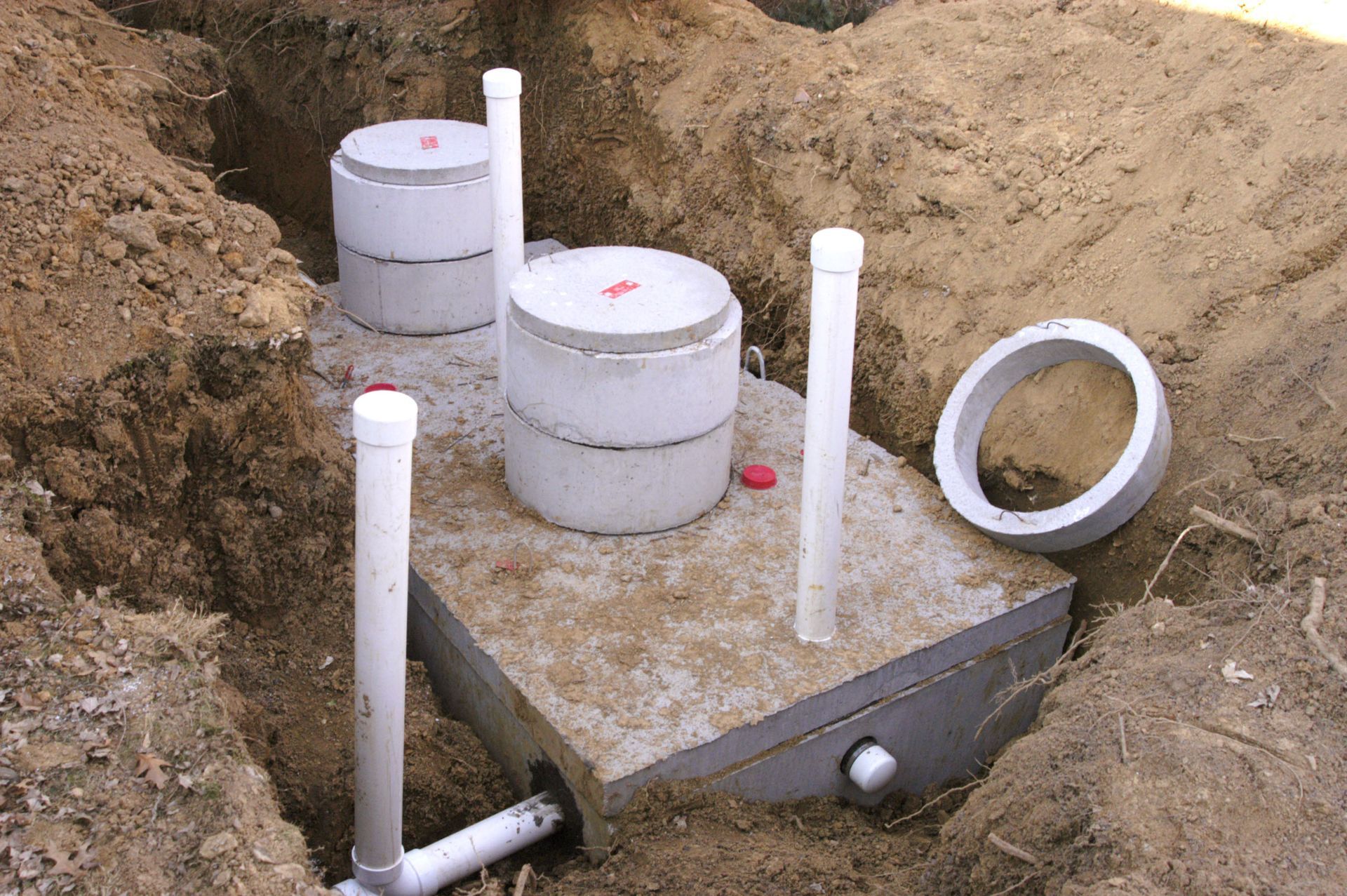
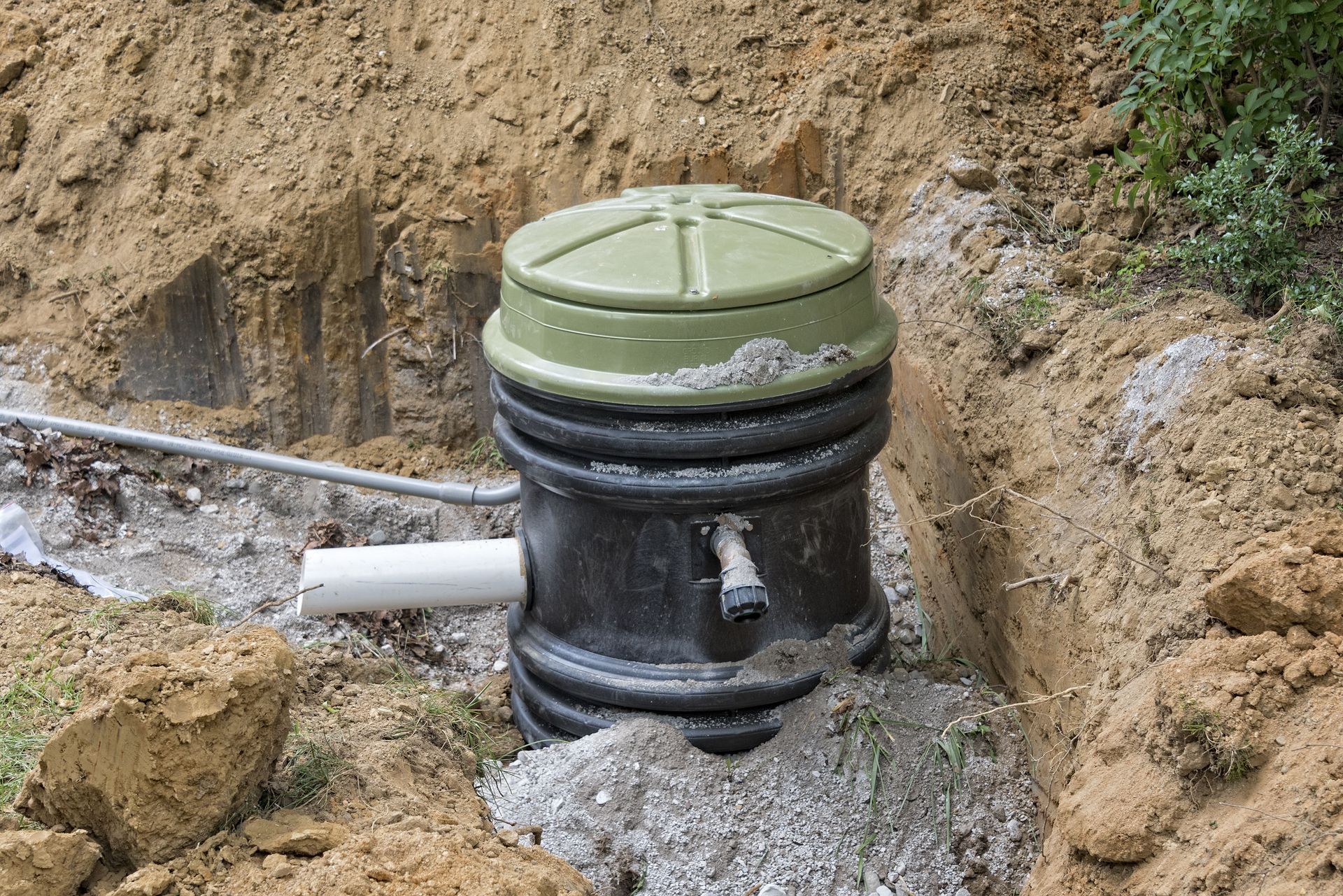
Every residential wastewater vessel operates under a specific mechanical threshold dictated by construction materials, usage intensity, and local subterranean variables. According to Home Guide, under diligent maintenance routines, standard concrete tanks generally maintain integrity for roughly 20 to 30 years, though true operational longevity rests on material structural grade, soil composition, and user traffic. Beyond physical build quality, household habits dictate how quickly solid layers accumulate over time. A home hosting multiple active residents strains settling chambers far faster than a single-occupant dwelling, making tailored inspection schedules essential for preventing total system failure.
Understanding the Core Mechanics of Waste Treatment
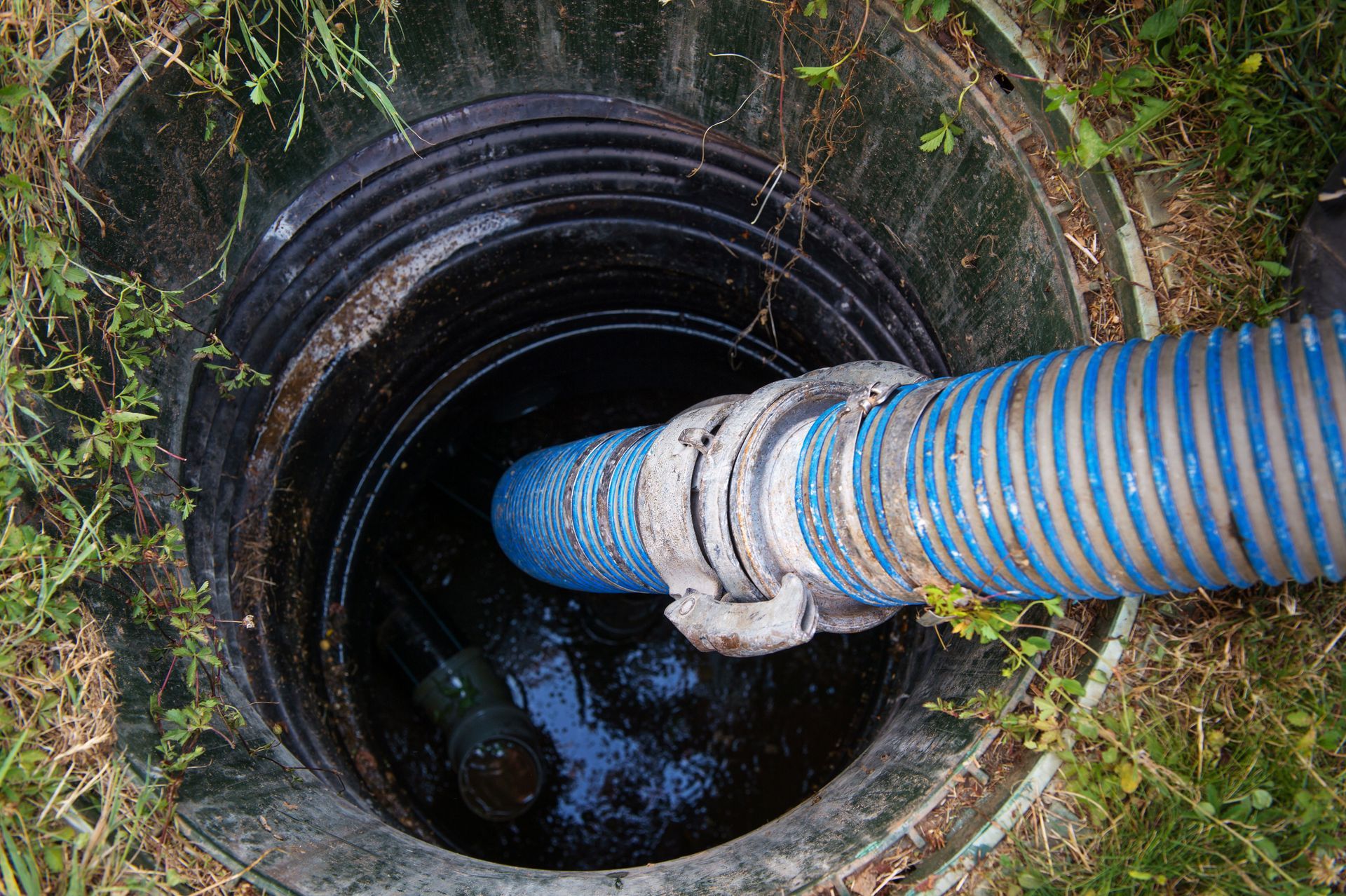
Onsite waste systems operate through a natural biological balance that separates liquid effluent from solid accumulation. Heavy organic waste settles at the vessel floor to form sludge, while lighter fats, oils, and grease float to the top layer as scum. Healthy anaerobic bacteria live inside the chamber, slowly digesting organic solids to free up interior capacity for incoming daily wastewater. When toxic chemical solutions or non-biodegradable debris enter the system, these vital bacterial colonies die off, allowing solid waste to accumulate unchecked. Left unmanaged, floating scum and dense sludge escape the main tank and clog the soil absorption lines downfield.
Scheduling Routine Professional Pumping Procedures
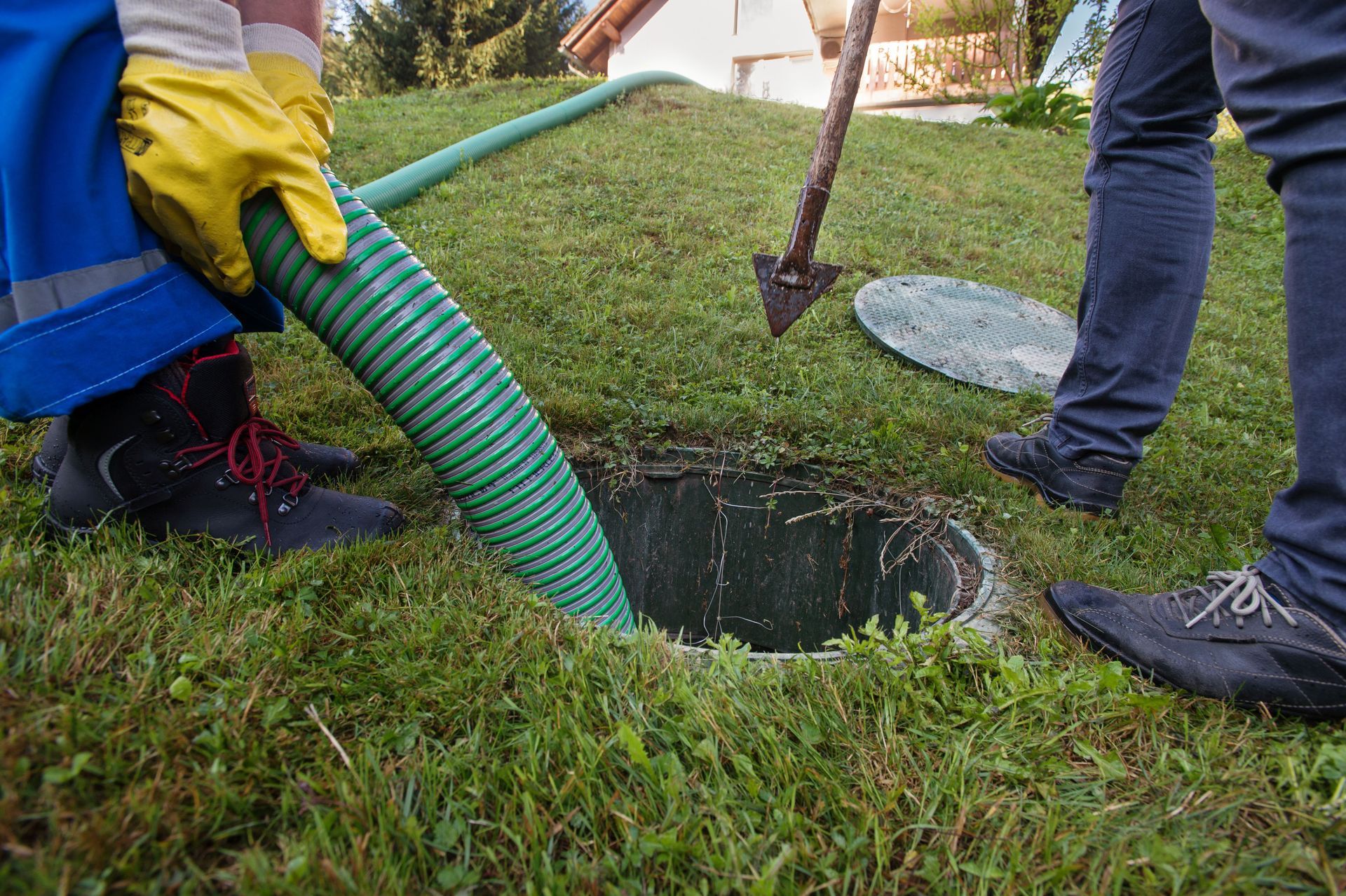
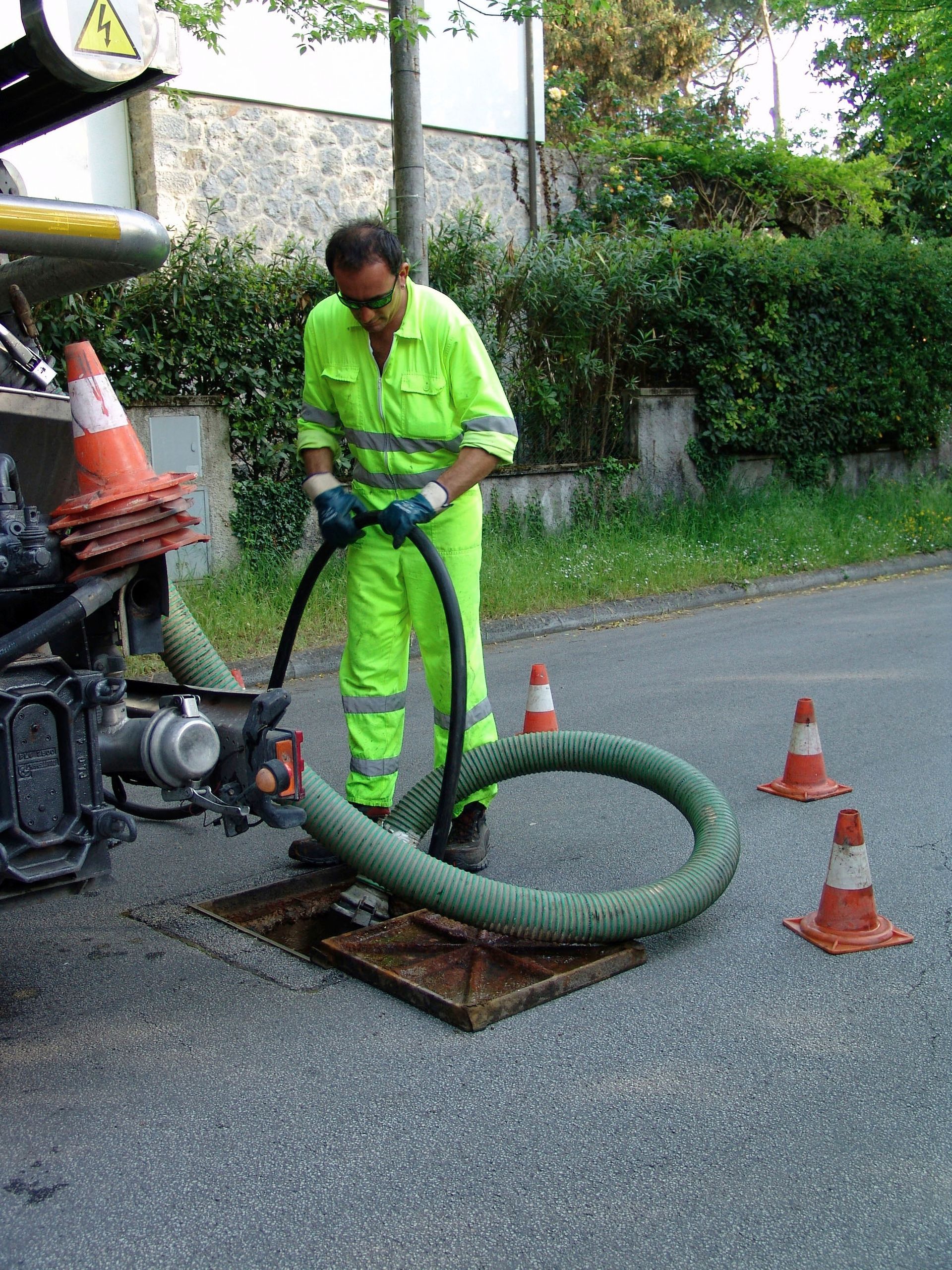
Scheduling a regular septic cleaning service removes dense sludge accumulation before it migrates toward delicate soil leach fields. Skipping regular cleanings causes heavy particulates to bypass internal baffles, coating drain field gravel and sealing off porous soil spaces. Once soil pores become clogged with biomat residue, wastewater pools above ground, creating severe public health risks and requiring full drain field replacement. Partnering with a licensed septic cleaning service keeps tank levels low, preserves internal component clearance, and prevents emergency plumbing backups during peak usage periods.
Protecting Internal Bacterial Colonies From Household Chemicals
Preserving internal microbial activity is essential for keeping solid sludge layers thin between professional service appointments. Everyday household practices heavily impact whether beneficial bacteria thrive or perish beneath the surface. Pouring bleach, strong drain openers, harsh chemical cleaners, or leftover paint down household drains destroys necessary biological colonies almost instantly. Antibacterial soaps and synthetic floor cleaners also disrupt natural decomposition cycles, forcing raw, undigested solids into active plumbing pathways. Choosing septic-safe, biodegradable household cleaners shields interior microbial ecosystems, allowing beneficial bacteria to continually process biological waste day and night.
Controlling Household Daily Water Management
Excessive water consumption creates excessive hydraulic pressure within underground settling chambers. When multiple washing machines, dishwashers, and showers run concurrently, massive volumes of incoming water push untreated solids directly through internal baffles into the absorption field. Spreading out laundry loads throughout the week and installing low-flow bathroom fixtures reduces daily flow rates, giving solids sufficient time to settle properly at the tank bottom. Conserving water prevents internal turbulence from stirring up settled sludge layers, ensuring that only clear liquid effluent exits toward the subterranean drainage network.
Utilizing Professional Septic Cleaning Service Expertise
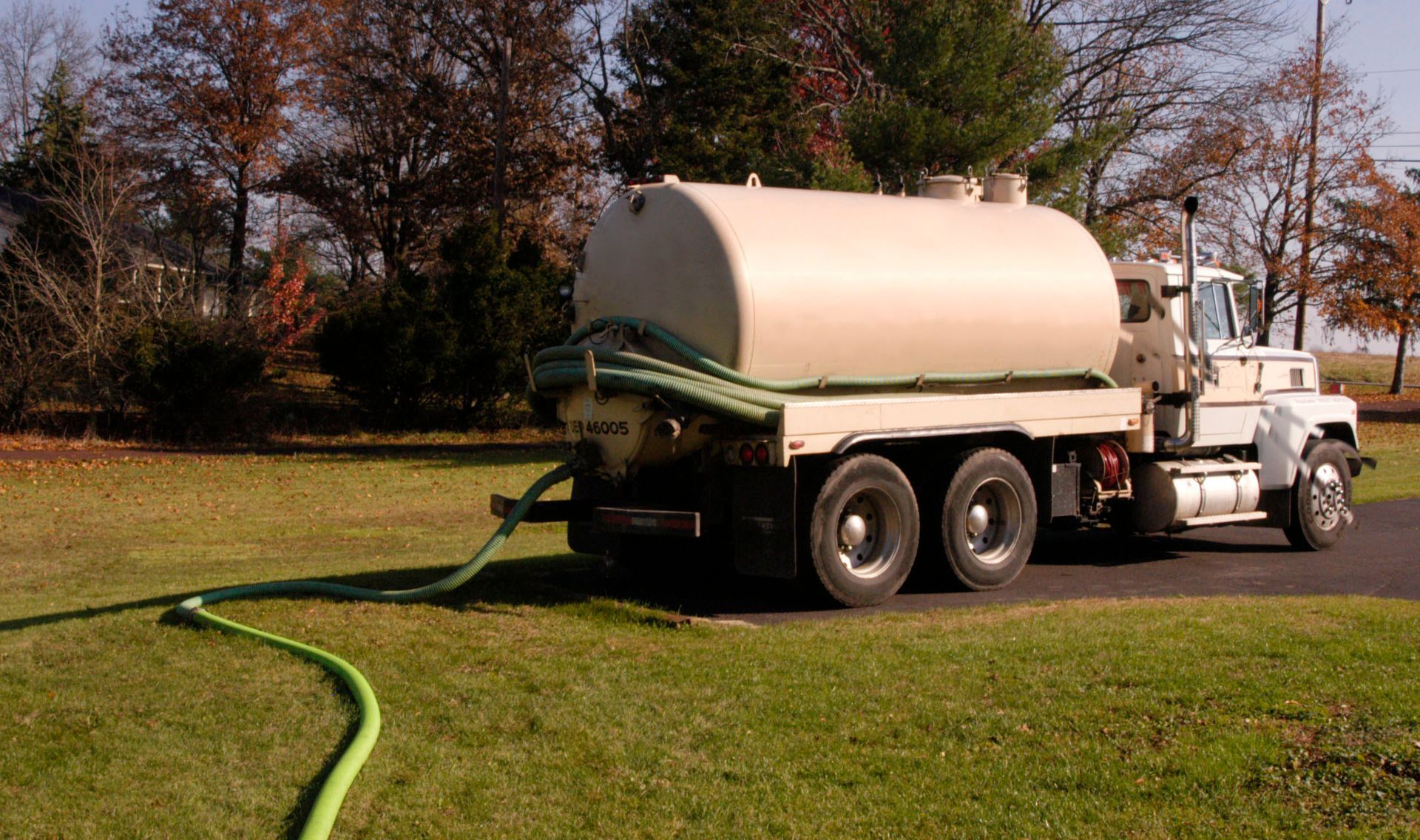
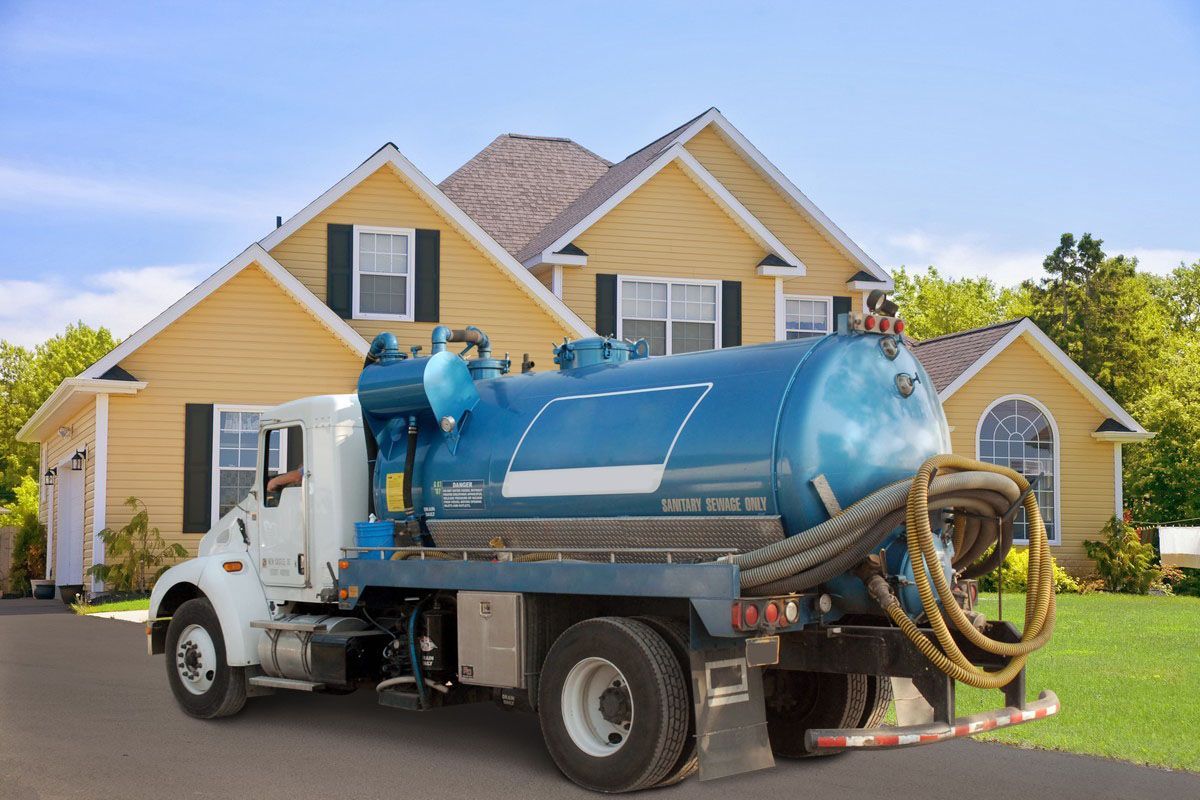
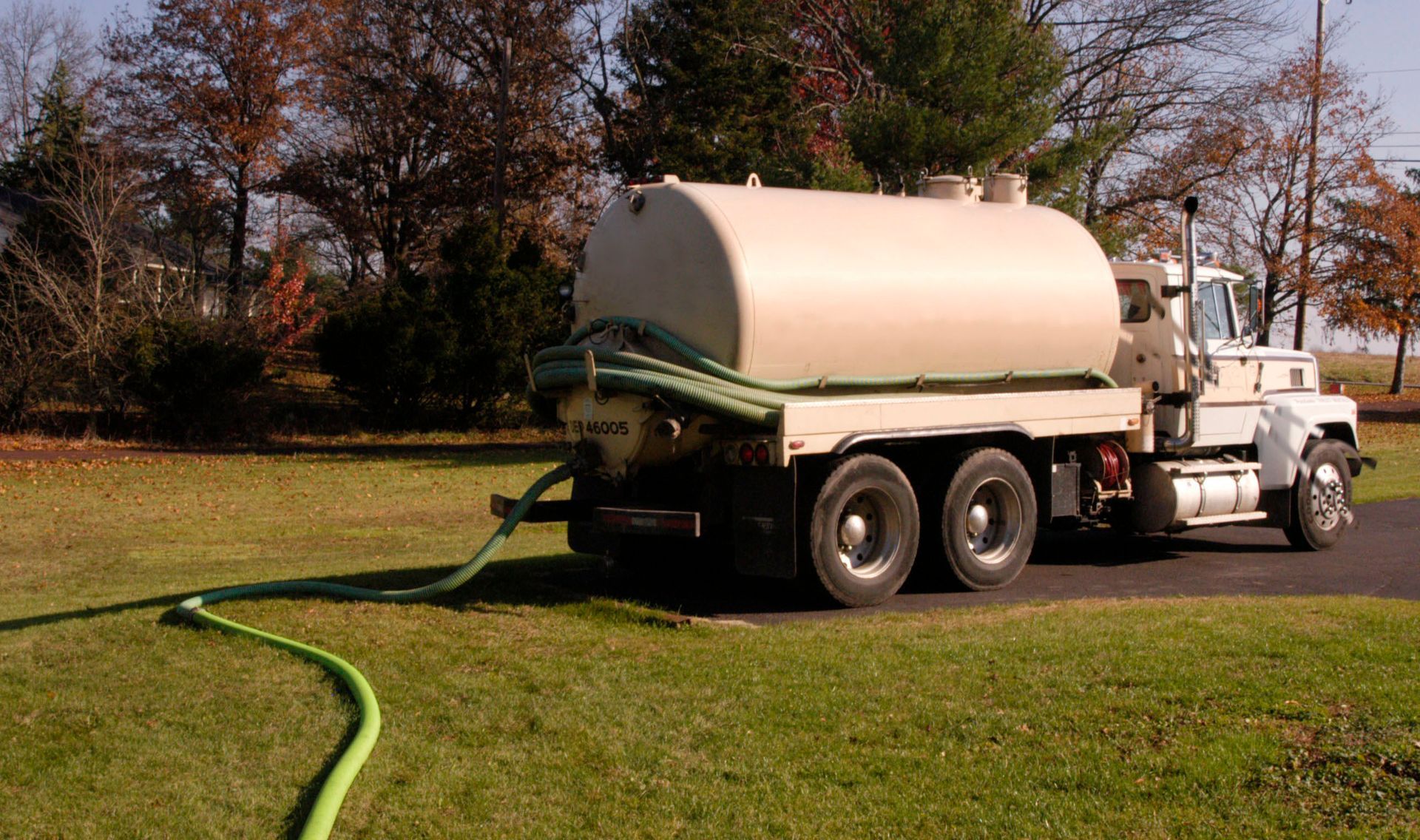
Hiring an experienced septic cleaning service provides access to specialized pumping machinery, diagnostic video cameras, and comprehensive visual evaluations. Professional technicians do not simply pump out stored liquid; they thoroughly inspect concrete walls, baffle tees, structural lids, and effluent filters for hidden structural damage. Spotting hairline structural cracks, surface corrosion, or sagging distribution boxes early allows home dwellers to address minor issues before full structural collapse occurs. Standard DIY maintenance checks cannot match the detailed diagnostic clarity offered by trained service technicians equipped with industrial vacuum trucks and internal cameras.
Preserving Drain Field Integrity Through Landscape Management
The subterranean drain field represents the most expensive and sensitive portion of any residential wastewater system. Heavy vehicles, riding lawnmowers, and construction equipment must never drive across or park on top of buried pipes, as compressed soil crushes fragile distribution lines and stops water absorption. Planting deep-rooted trees or aggressive shrubs near the drain field leads to severe root intrusion, cracking underground pipes and catching solid debris inside flow pathways. Maintaining a shallow grass cover over the entire absorption field encourages evaporation, prevents soil erosion, and protects buried pipes from invasive root systems.
Diverting Surface Runoff Away From Buried Components
Heavy rainstorms and misdirected roof gutters pose serious threats to subterranean drainage infrastructure. Downspouts, sump pump discharge pipes, and landscape slope drains should direct water away from the tank and absorption area. Excess surface runoff saturates the drain field soil from above, leaving no capacity for underlying soil to absorb outgoing treated effluent. A flooded drain field forces untreated sewage backward into home plumbing fixtures or creates standing surface pools of contaminated water. Installing proper site grading and extending downspout diverters preserves the soil's natural absorption capacity throughout wet seasons.
Investing in Regular Septic Cleaning Service Intervals
Establishing a relationship with a reliable septic cleaning service creates a dependable maintenance record that helps preserve total property resale value. Prospective homebuyers routinely request recent pump-out records and professional system inspection reports during real estate transactions. Demonstrating a consistent history of professional pumping proves that the tank was shielded from chronic sludge overloads and structural neglect. Spending a modest sum on periodic cleaning intervals saves thousands of dollars in potential emergency drain field reconstruction costs, delivering continuous peace of mind to property owners.
Monitoring Clear Warning Signs of Impending Failure
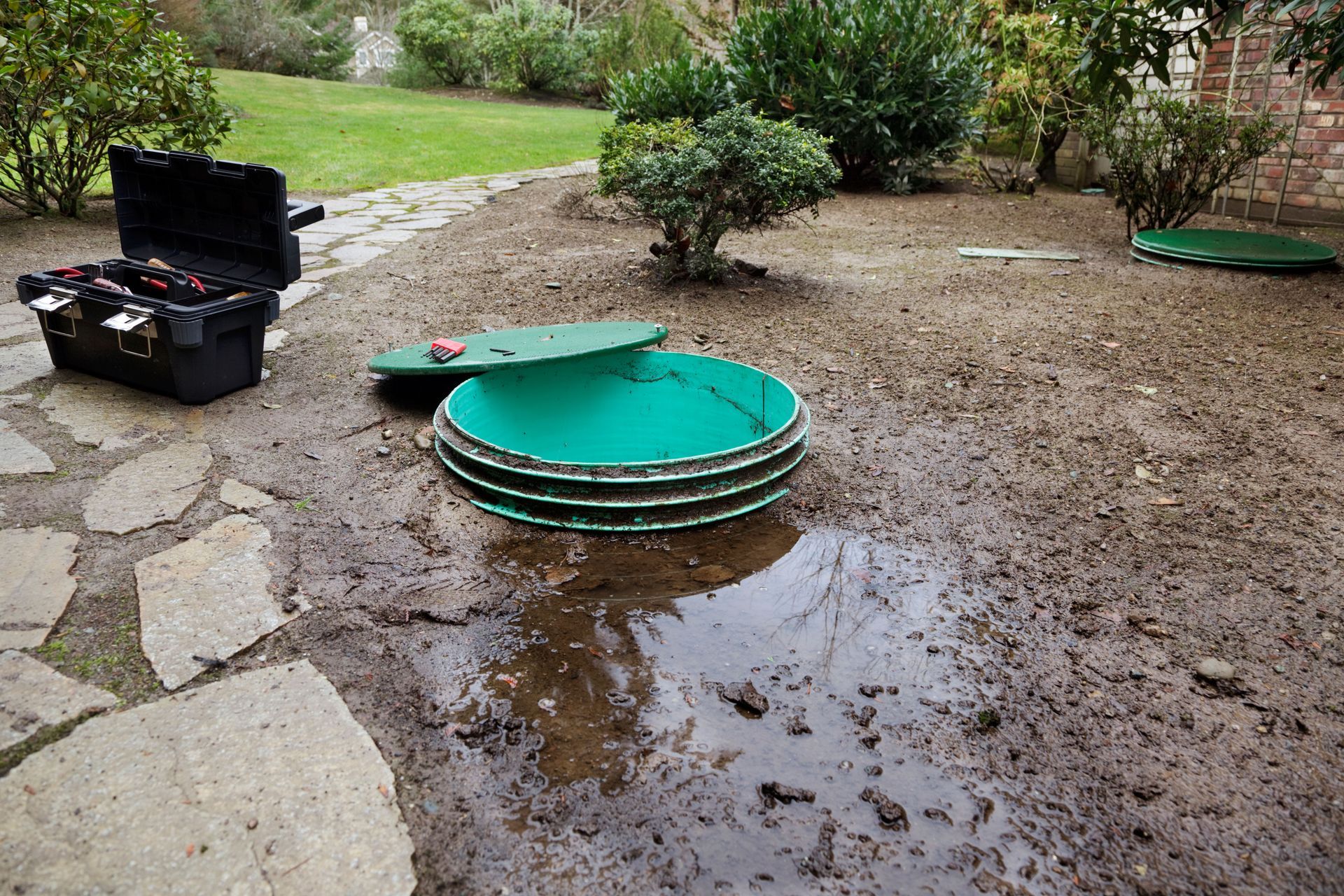
Catching wastewater operational problems early prevents complete system failures and severe property contamination. Homeowners should watch for slow-draining sinks, gurgling sounds inside bathroom pipes, unpleasant sewage odors near outdoor tanks, or unusually lush green grass growing over drain field lines. Standing water or damp soil patches above underground components indicate that the soil can no longer process outgoing liquid effluent. When these warning signals appear, contacting a certified septic cleaning service immediately allows technicians to clear line obstructions, inspect internal baffles, and restore proper system flow.
Avoiding Harmful Chemical Additives and Quick Fixes
Commercial chemical additives, biological enzymes, and solvent treatments often promise to eliminate the need for mechanical pumping altogether. Modern professional research shows that chemical additives fail to break down dense bottom sludge and can actually damage interior tank walls or harm soil ecosystems. Strong chemical degreasers often break down floating scum into fine particles that bypass outlet baffles, causing premature soil clogging inside the leach field. Physical waste removal through a reputable septic cleaning service remains the only proven method to eliminate accumulated solids safely and preserve long-term operational performance.
Establishing Long-Term Preventative Care Routines
Building a long-term care strategy requires blending sensible indoor water habits with consistent outdoor maintenance checks. Keeping a detailed logbook of past service dates, pumping volumes, structural repairs, and inspection notes helps technicians diagnose performance changes over time. Property owners who actively restrict water usage, eliminate harsh household chemicals, and schedule timely professional cleanings ensure their infrastructure continues to run smoothly. Consistent care shields home finances from unexpected infrastructure failures while ensuring high-level public health and environmental protection.
Proper maintenance transforms essential onsite wastewater infrastructure from a hidden liability into a reliable, long-lasting household asset. By adopting water-wise daily habits, protecting beneficial bacterial ecosystems, and scheduling routine pump-outs, homeowners can easily maximize the functional lifespan of their underground investment. Partnering with certified industry professionals ensures your system continues to operate safely, smoothly, and efficiently. For more on extending the lifespan of your septic tank with a professional septic cleaning service, please contact Chase-Harris Septic Service today.
Share On: