
How Local Septic Companies Use Regional Insight
A septic system works quietly underground, and most homeowners rarely think about it until something goes wrong. Yet the way a system performs depends heavily on where it sits. Soil composition, groundwater levels, winter frost, and state regulations all shape how wastewater moves through a tank and drain field. That is why a local septic company brings something a distant provider simply cannot match: years of firsthand experience with the conditions in your specific area.
Regional insight affects nearly every decision a septic professional makes, from how often a tank should be pumped to where a new leach field should go. A technician who has worked on hundreds of properties in the same towns knows which neighborhoods sit on dense clay, which roads flood in spring, and which inspection requirements catch homeowners off guard during a sale. In this post, we look at the specific ways local professionals put that knowledge to work and why it matters for the health and longevity of your system.
Reading the Soil Beneath Each Property
Soil is the foundation of any septic system's performance. After wastewater leaves the tank, it flows into the drain field, where the surrounding soil filters and treats it before it reaches groundwater. If the soil drains too quickly, contaminants may not be filtered properly. If it drains too slowly, effluent can pool on the surface or back up into the home.
Soil conditions can change dramatically within a few miles. One property might sit on sandy, well-draining ground, while another just down the road rests on heavy clay, rocky glacial till, or shallow ledge. A local septic company that has dug in the area for years already has a strong sense of what lies beneath the surface before a single shovel hits the ground. That familiarity helps crews anticipate problems, plan excavation more accurately, and recommend system designs that suit the site.
This is one reason homeowners should never attempt to diagnose drainage issues on their own. Soggy spots in the yard, slow drains, or unpleasant odors can stem from several causes, and only a trained professional can determine whether the soil, the tank, or the drain field is to blame.
Navigating State and Local Regulations
Septic systems are heavily regulated, and the rules vary from state to state and sometimes from town to town. In Massachusetts, for example, Title 5 of the State Environmental Code sets standards for how septic systems are designed, installed, maintained, and inspected. These regulations often require an inspection when a property changes hands, which means a failed system can delay or even derail a home sale.
A local septic company works within these regulations every day. Its team understands what inspectors look for, which documentation local boards of health expect, and how to prepare a detailed report that holds up during a real estate transaction. Certified inspectors can assess tank condition, check for signs of failure, and explain what repairs might be needed to bring a system into compliance.
Trying to handle compliance without professional help is risky. Missing paperwork, improper repairs, or an unlicensed installation can lead to fines, failed inspections, and costly rework. Working with licensed, certified professionals ensures the job meets code the first time and protects your investment in your property.
Planning Around Seasonal Weather Patterns
Weather has a surprising influence on septic systems, especially in regions with cold winters and wet springs. Frozen ground can make it difficult to access a tank, and freezing temperatures can affect pipes and components that are not buried deep enough. When snow melts and spring rains arrive, rising groundwater can saturate drain fields and reduce their ability to absorb effluent.
An experienced local septic company plans its work around these patterns. Technicians often recommend scheduling routine pumping before the ground freezes so the tank enters winter with plenty of capacity. They also know how spring conditions can expose weaknesses in an aging system and can help homeowners recognize early warning signs such as gurgling drains or wet patches above the leach field.
Seasonal timing also matters for larger projects. Installations and excavation work tend to go more smoothly when soil conditions are stable and accessible. Local professionals can advise you on the best window for your project, helping you avoid weather-related delays and unnecessary expense.
Sizing Systems for Household Needs
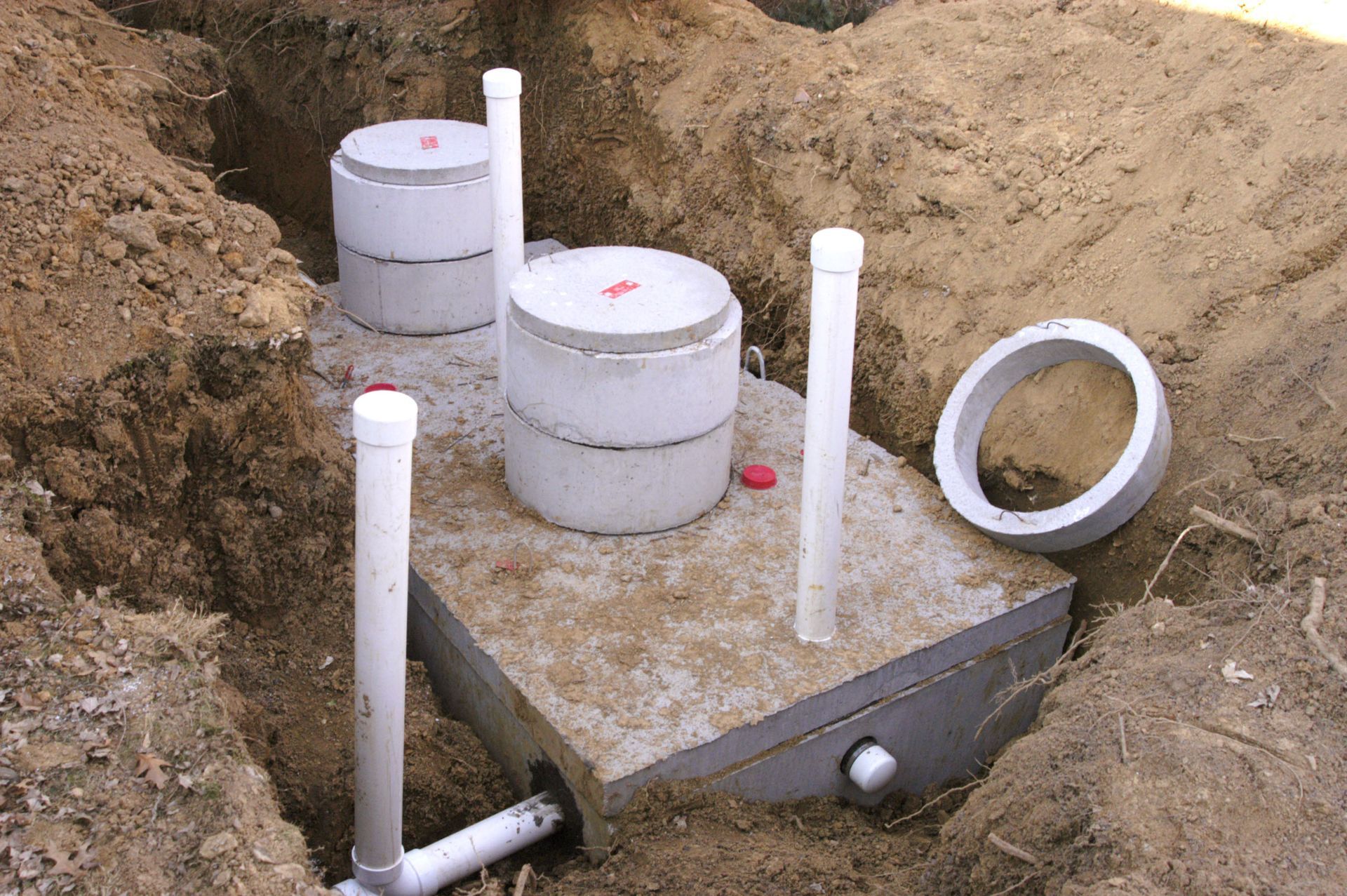
Every septic tank has a limited capacity, and choosing the right size depends on factors such as the number of bedrooms, household water use, and local code requirements. According to The Spruce, the typical residential septic tank holds 1,000 to 1,500 gallons, although capacities can vary from as small as 750 gallons to as large as 1,750 gallons.
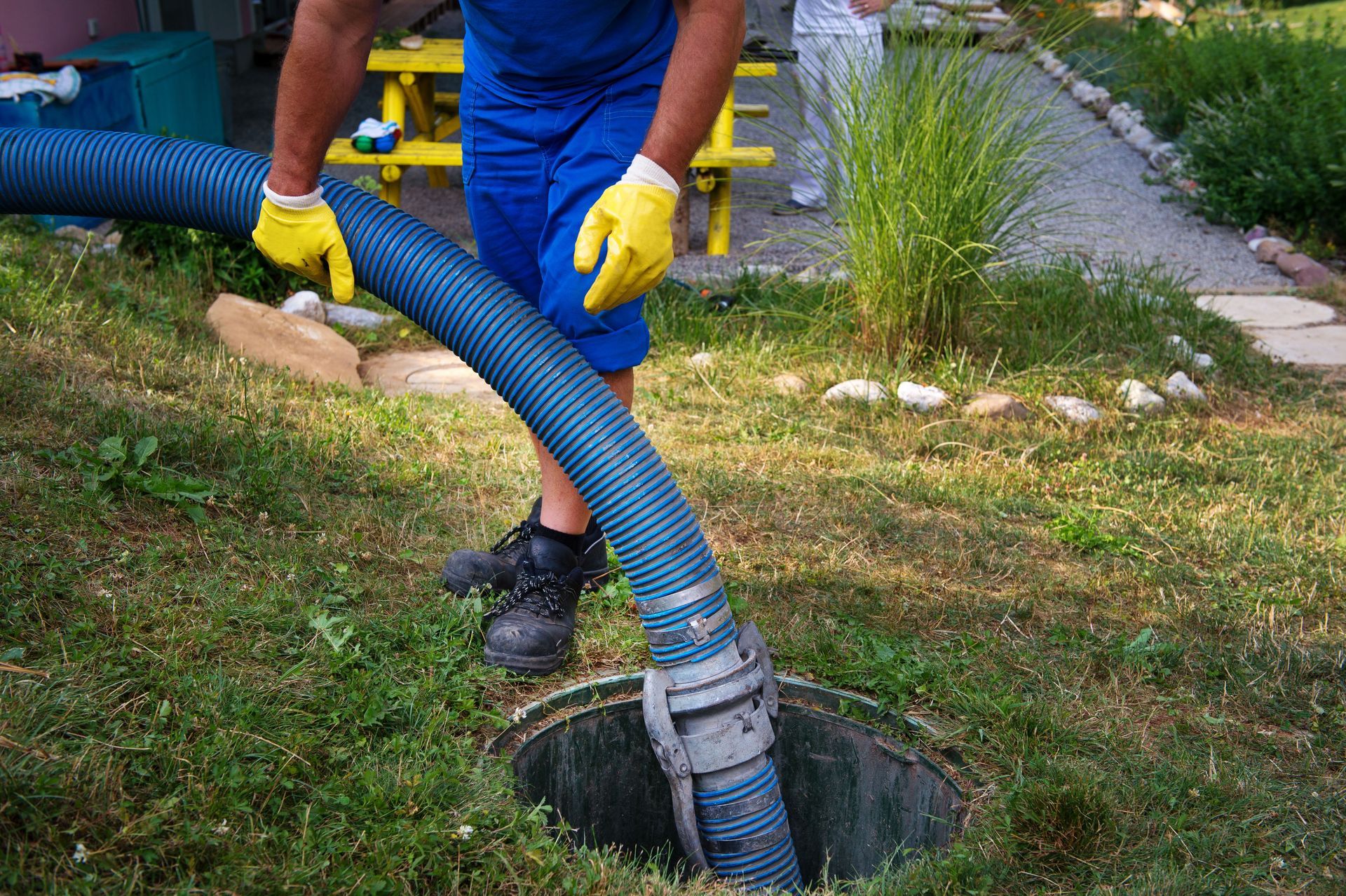
Tank size directly affects how often a system needs pumping. A smaller tank serving a large family will fill with solids faster than a larger tank serving a couple. A local septic company can review your tank's capacity, your household's habits, and regional conditions to recommend a pumping schedule that keeps solids from escaping into the drain field. Regular pumping prevents backups, protects the leach field, and extends the life of the entire system.
Sizing also becomes critical when building a new home or adding bedrooms to an existing one. Local regulations often set minimum tank sizes based on design flow, and an undersized system can fail prematurely. Professional guidance ensures your system can handle your household's demands for years to come.
Spotting Repair Problems Common to the Area
Septic problems often follow regional patterns. In areas with older housing stock, aging steel tanks or deteriorating baffles may be common. In neighborhoods with mature trees, roots can invade pipes and distribution boxes. In communities with high water tables, drain fields may struggle during wet seasons. Commercial kitchens in busy town centers may face recurring grease buildup that strains plumbing and waste systems.
A local septic company recognizes these patterns because its technicians encounter them again and again. That experience allows them to diagnose issues quickly and recommend effective, lasting solutions rather than temporary fixes. Whether the problem is a cracked pipe, a failing pump, a clogged distribution box, or an overloaded grease trap, an experienced team can pinpoint the cause and explain your options clearly.
Prompt professional repair is essential. Small issues can escalate quickly into system failure, sewage backups, or environmental contamination. Calling a qualified team at the first sign of trouble protects your property, your family's health, and your wallet.
Regional insight is one of the most valuable assets a septic professional can offer. From reading soil conditions and navigating state regulations to planning around the weather and spotting common repair issues, a local septic company uses its knowledge of the area to deliver more accurate service and longer-lasting results. That expertise helps homeowners and business owners avoid costly mistakes, stay compliant, and keep their systems running smoothly.
When it comes to something as important as your septic system, there is no substitute for licensed, experienced professionals who understand your community. Choosing a local septic company means choosing a team that already knows the challenges your property is likely to face.
If you live in Worcester County or the Blackstone Valley, we invite you to reach out to us at Chase-Harris Septic Service. We offer septic pumping, repairs, installations, Title 5 inspections, and excavating services, and we provide free estimates within a few days. Contact us today to schedule service and keep your system running strong.

Share On: