
Services to Keep Your Septic Tank Up to Code
Ensuring your septic system is properly maintained and compliant with health and safety regulations is crucial for any homeowner. Septic systems are vital for the sanitation of homes not connected to municipal sewer systems, and improper maintenance can lead to significant health hazards and financial costs. Over time, neglecting your septic system can result in environmental contamination, health risks, and costly repairs. Regular maintenance from a reliable septic company not only extends the life of the system but also ensures compliance with legal and environmental regulations. This article outlines essential services that can help keep your septic tank up to code, from inspections to advanced technological solutions.
Regular Inspection Services
Frequency of Inspections
Regular inspections from a septic company are the cornerstone of effective septic system maintenance. It is generally recommended that septic tanks be inspected every three years, though this frequency can vary based on local regulations and specific system designs. Inspections assess the system's status and help identify potential problems before they become costly repairs. In some regions, more frequent inspections may be mandated to conform to stringent environmental laws. According to the Environmental Protection Agency, 56% of septic tanks failed inspection in recent years due to improper construction or maintenance, highlighting the necessity for regular evaluations.
Inspections also serve as a compliance measure with local health and safety standards. Many areas require proof of regular inspections when selling or refinancing a home with a septic system. This documentation reassures potential buyers and lenders of the property's condition and value. Moreover, having a documented history of inspections can expedite the resolution of any disputes or concerns regarding compliance. Regular inspections not only contribute to smooth system operations but also uphold the property's integrity and marketability.
Inspection Reports
Comprehending inspection reports is vital for informed septic system maintenance. These reports provide an in-depth analysis of your septic system's condition, pinpointing areas where maintenance or improvements are necessary. Learning to interpret the technical language and metrics in reports allows homeowners to plan maintenance schedules and allocate resources accordingly. Ensure the report includes details on sludge accumulation, tank integrity, and any system vulnerabilities needing attention. Systematically recording and organizing inspection reports offers a comprehensive account of the system's performance over time.
Inspection reports typically indicate whether a septic system abides by local environmental and safety codes. Should an inspection reveal any violations, immediate action is necessary to avert potential penalties or environmental harm. By understanding these reports, homeowners can prioritize repairs, preventing minor issues from undermining system functionality or integrity. Clarifications from inspectors about report findings can help demystify complex aspects of system maintenance and compliance. Informed homeowners can actively engage with their maintenance providers, ensuring effective communication and better care for their septic systems.
Inspection reports can also instruct homeowners on potential upgrades or optimizations to enhance system performance. Staying attuned to recommended improvements can drive efficient resource usage and reduce the ecological impact of outdated systems. By utilizing expert insights from inspection reports, homeowners ensure their systems are robust against evolving health and safety regulations. Detailed reports also offer unmatched transparency, vital for the trust required between homeowners and service providers. Overall, decoding inspection reports is an integral step in proactive and compliant septic system management, fostering sustainable practices and efficient operations.
Inspection History
Maintaining thorough records of inspection history is essential for a comprehensive understanding of septic system performance over time. Documented inspection history supports compliance efforts by providing proof of regular evaluations, confirming adherence to local environmental regulations. Organized records of inspections and maintenance actions enable homeowners to anticipate future needs, such as planned upgrades or routine services. Consistently logging inspections builds a resilient knowledge base that informs timely decision-making and preventive measures. Additionally, an exhaustive inspection history can be an asset for prospective buyers assessing property condition and value.
Proper documentation also contributes to accountability, providing a clear trail of maintenance efforts and system developments. In the event of system issues or disputes over compliance, documented histories offer an unambiguous account of actions taken to maintain standards. Meticulous records also prove useful when interacting with local authorities or agencies, easing administrative processes and ensuring regulatory alignment. By storing accessible and up-to-date records, homeowners significantly enhance response times when addressing potential septic system problems. Keeping an organized archive supports proactive maintenance and long-term compliance with health and safety requirements.
Furthermore, documented histories can empower homeowners to better evaluate overall system performance. Awareness of historical inspection outcomes and follow-up actions enhances the capability to predict maintenance needs and potential future issues. Strategic use of inspection records can shape preventive efforts, enabling informed investments in repairs or technological upgrades. Additionally, an accurate and comprehensive inspection history serves as a clear communication tool when engaging with service providers about ongoing maintenance requirements. The robust advantages of maintaining detailed records ultimately fortify septic system operation, compliance, and longevity.
Pumping and Cleaning Service
Benefits of Regular Cleaning
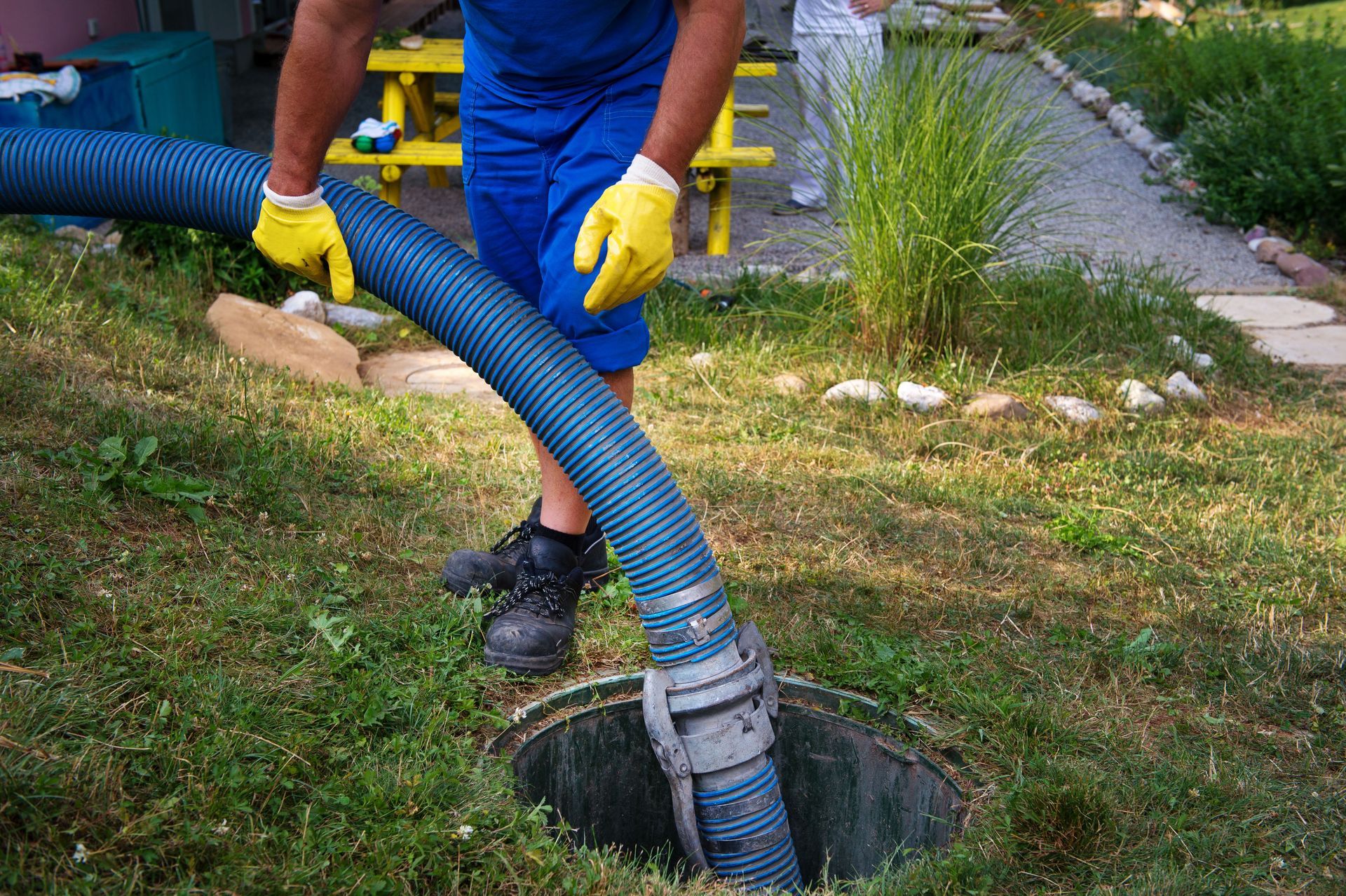
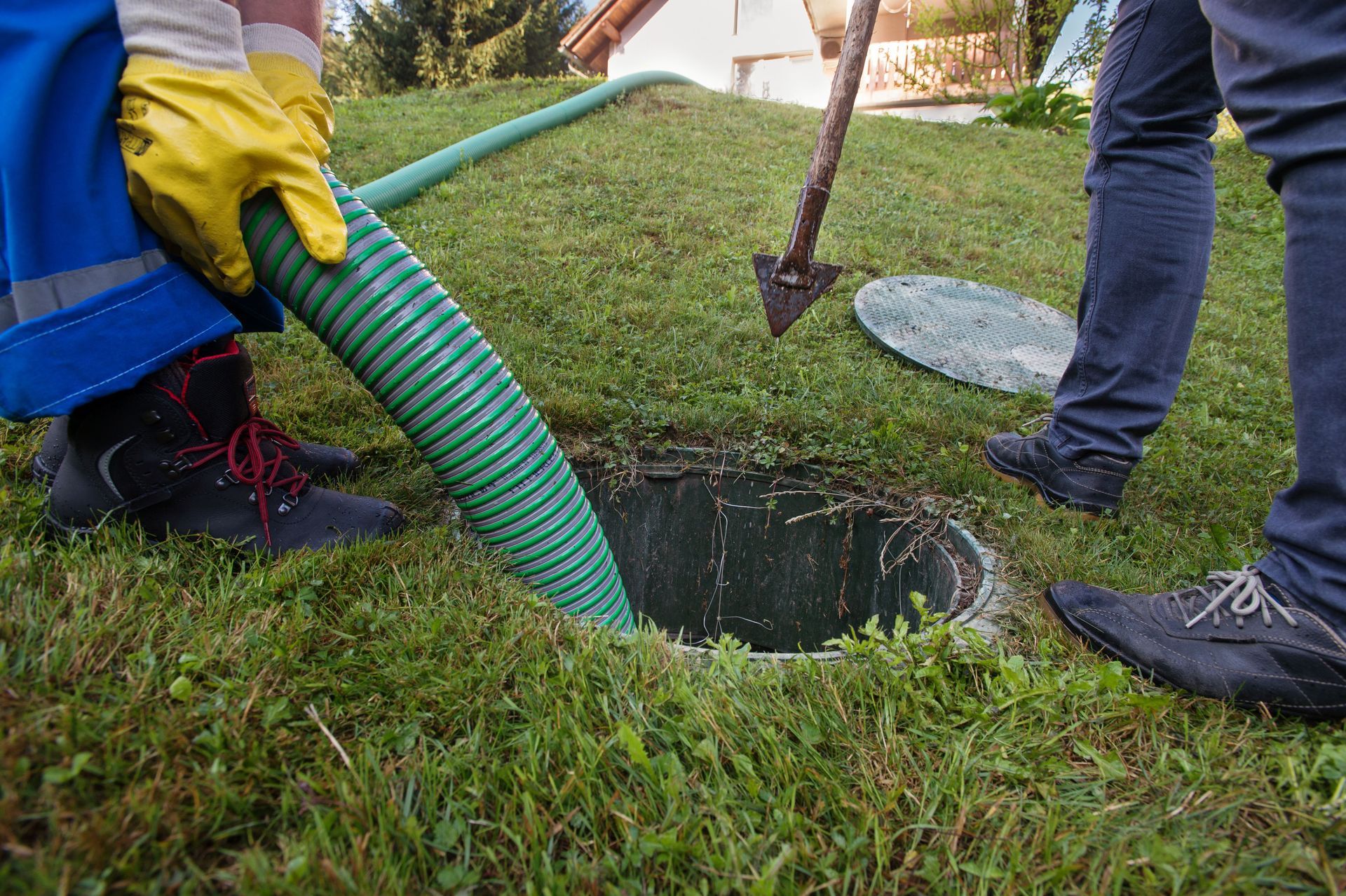
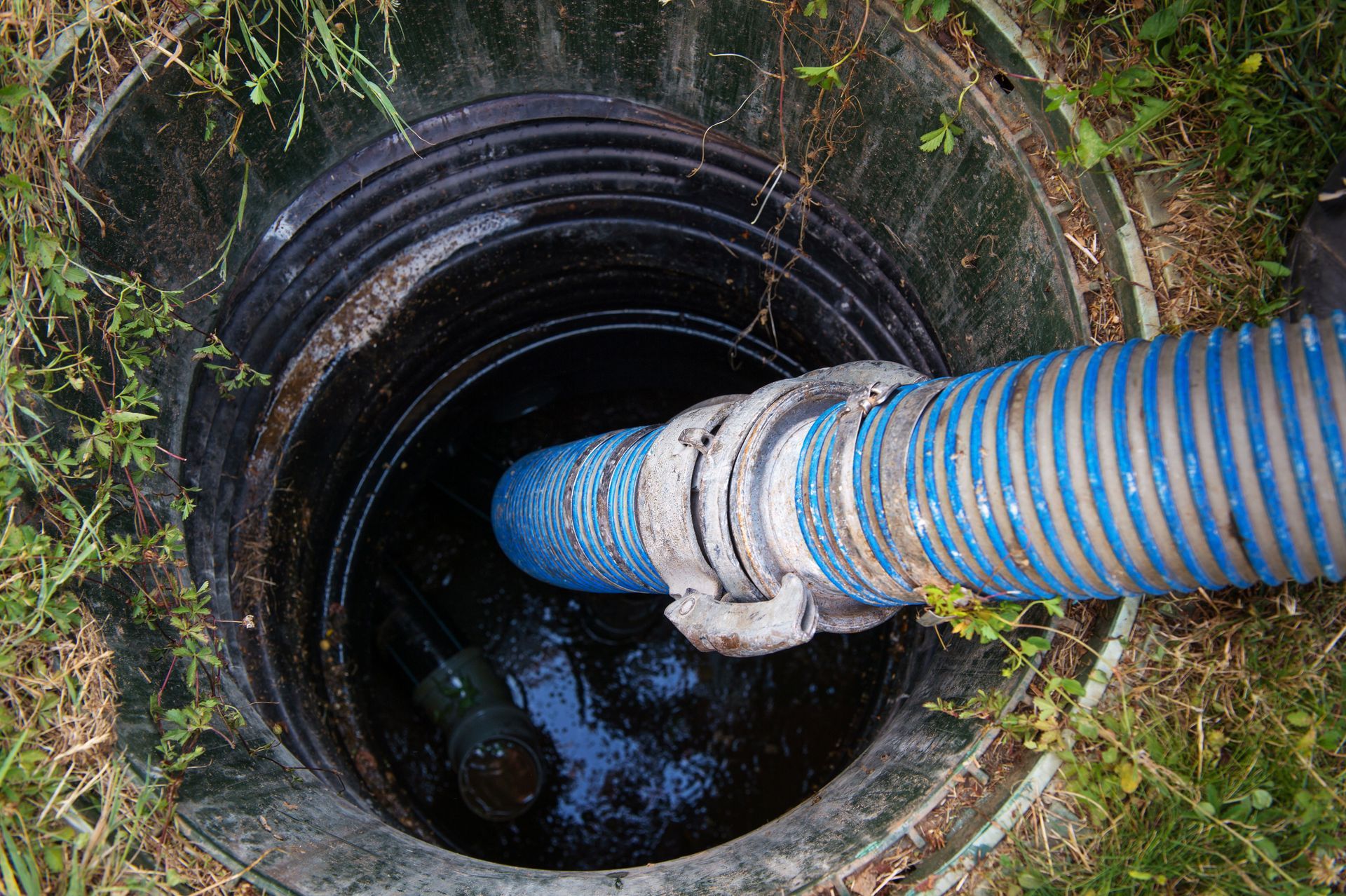
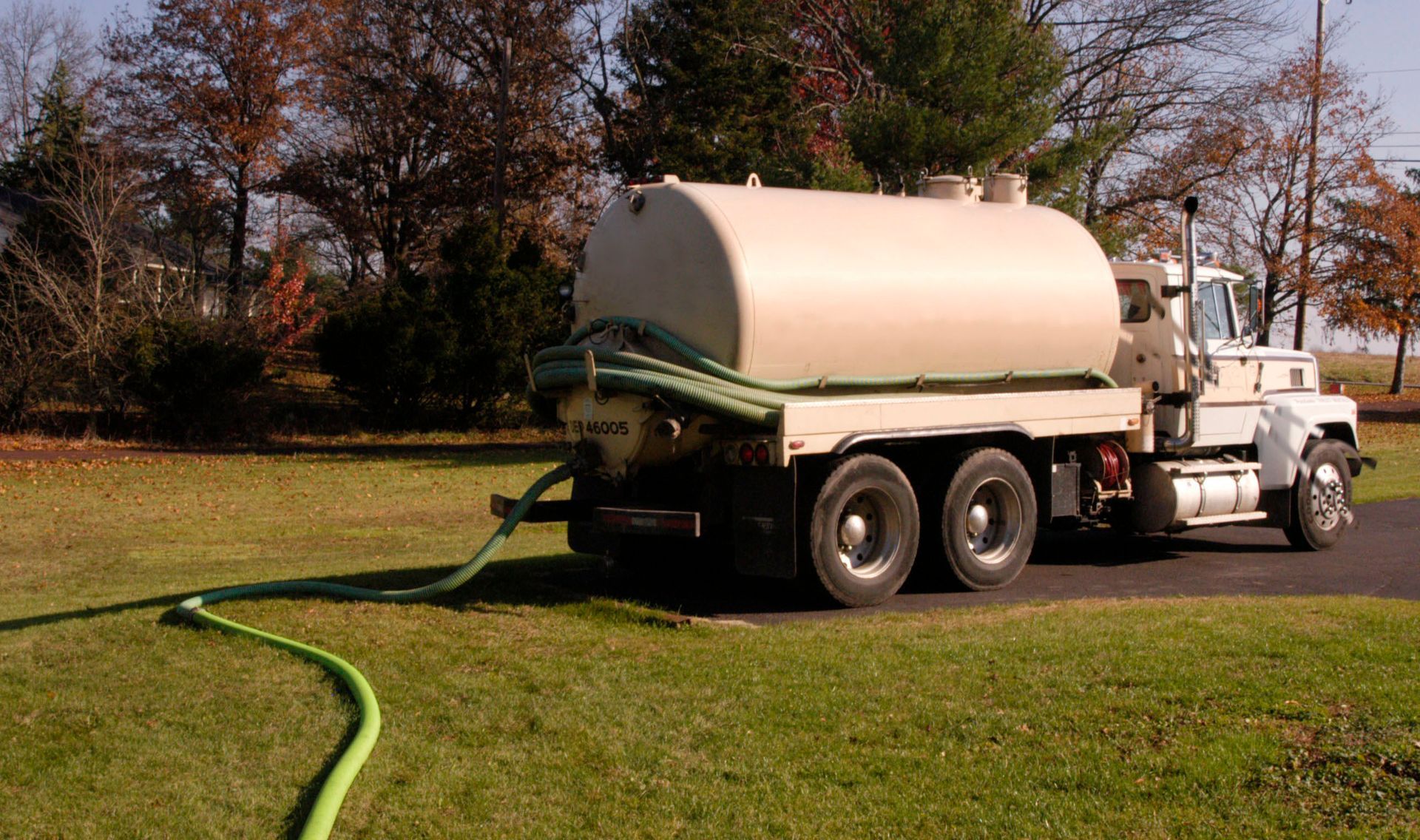
Routine cleaning of septic systems provides multiple benefits that enhance performance and system longevity. Regular cleaning ensures that sludge and scum accumulations are kept at manageable levels, preventing clogs and overflows. This maintenance practice alleviates stress on draining components, supporting optimal system function with reduced risk of malfunction. Consistent cleaning paves the way for minor underlying issues to be identified before escalating into costly repairs or system failures. Ultimately, maintaining a regular cleaning schedule prolongs the system's lifespan and lessens financial burdens associated with major repair needs.
Scheduled cleaning promotes system efficiency by facilitating balanced waste breakdown and distribution processes. Septic systems rely on bacterial activity to decompose waste, a process hindered by excessive buildup. Ensuring that cleaning occurs at optimal intervals keeps bacterial environments healthy, thereby maximizing waste treatment efficiency. This proactive measure contributes to economical and environmentally-friendly operations, minimizing the reliance on expensive troubleshooting interventions. Regular cleaning not only bolsters septic system function but also upholds responsive resource management practices.
A robust routine cleaning regime can prevent environmental contamination resulting from faulty waste management. Untreated sewage poses considerable health risks to nearby water sources and ecosystems; prompt cleaning averts such risks by maintaining controlled system capacities. Additionally, regular cleaning supports compliance with regional environmental laws, promoting harmonious living alongside community health standards. Investing in regular system cleaning services plays a significant role in upholding both public health and environmental stewardship. Thorough understanding and implementation of cleaning schedules safeguards against negligent waste disposal practices.
Signs Your Septic Tank Needs Pumping
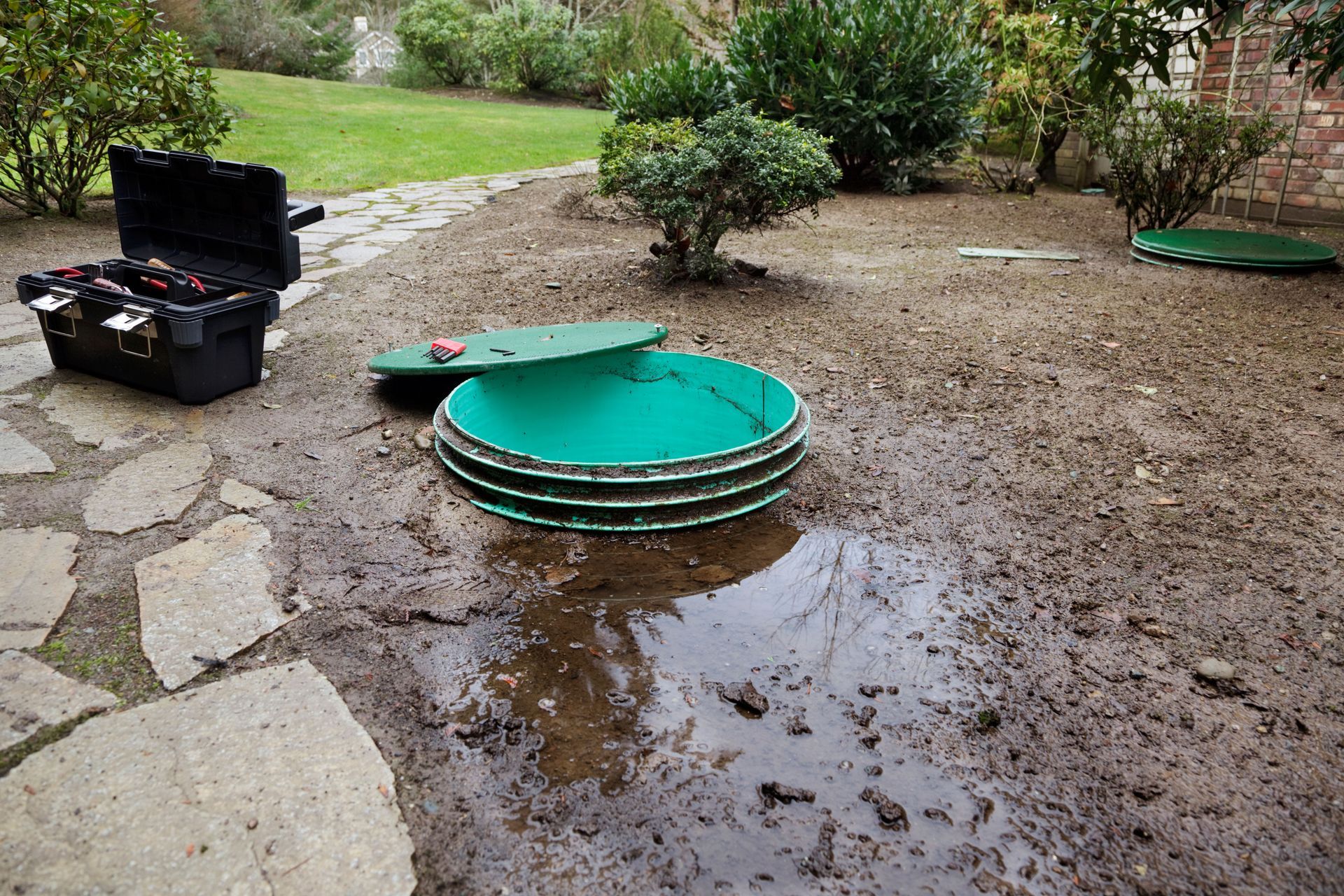
Recognizing early indicators that your septic tank needs pumping is essential to circumvent failures or compliance issues. Foul odors emanating from drains or around the tank indicate a higher-than-average sludge buildup necessitating an urgent pump. Slow or sluggish drains throughout your home signal system backup, often attributable to obstructed outflows demanding professional attention. Persistent water pooling near the drain field or septic tank denotes systemic inefficiencies or blockages warranting prompt intervention. Staying vigilant about these warning signs facilitates timely service calls, maintaining seamless septic system operations.
Gurgling sounds in plumbing or toilets often point to fluid flow impediments, hinting at the necessity of tank maintenance or pumping. Fostering awareness of these auditory and olfactory cues empowers homeowners to anticipate and mitigate potential system issues. Prompt identification and resolution of such signs prevent extended periods of functionality loss, curtailing associated property and environmental risks. Ignoring these symptoms can escalate systemic damage, necessitating extensive repair solutions that impact household budgets. Attuning to these consistent indicators safeguards septic systems from significant disruptions and restores efficient operation.
Proactive recognition of signs that your system needs attention exemplifies an informed and responsible approach to septic management. By capitalizing on these observations by reaching out to a dependable septic company, homeowners can avert more expensive emergency repairs and embrace reliable operations with confidence. If you want to learn more about how to keep your septic tank up to code, reach out to Chase-Harris Septic Service today!
Share On: